
What Patients Should Know About Techniques in Prostate Cancer Treatment
July 13, 2026
The Benefits of Regular Check-Ups for Endocrine Health
July 13, 2026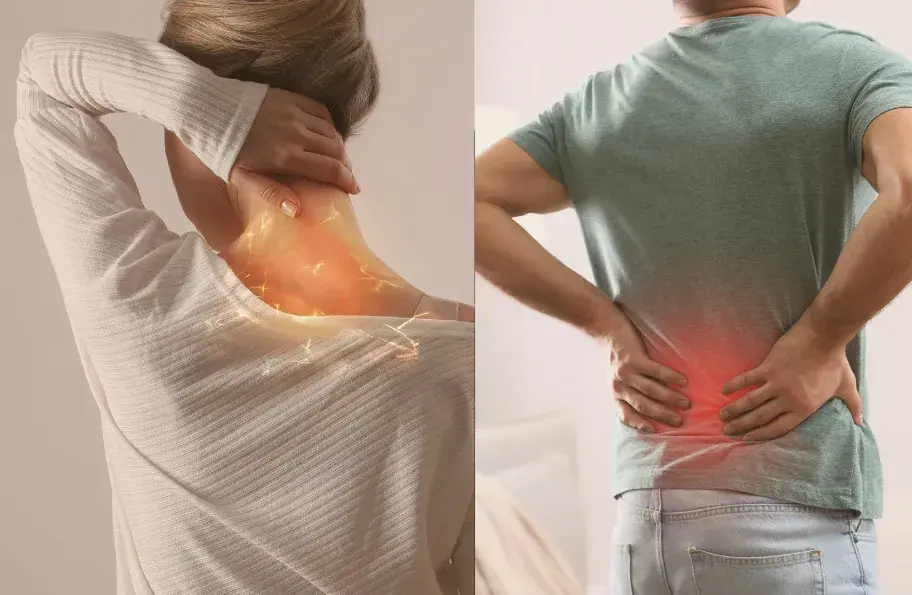
Back pain affects daily movement, and many people search for relief that lasts. Pain management brings together several methods to address the source of discomfort. When one approach falls short, a specialist might combine treatments for better results. Here are some approaches to pain management when you have back pain:
Physical Therapy Sessions
Physical therapy targets the muscles and joints that support your spine. A therapist guides your movements, and each session builds toward greater mobility. Since everyone starts at a different point, the exercises match your current strength. This structured approach helps you become informed over time.
Sessions may include a mix of active and hands-on techniques. A medical provider tracks your progress, and they adjust the plan as your body responds. When you practice these pain management exercises at home, you reinforce what you learn in the clinic. Consistency shapes the outcome you experience.
Platelet-rich Plasma
Platelet-rich plasma (PRP) uses components drawn from your own blood. A clinician spins the sample, and this process concentrates the platelets. Since the material comes from your body, the preparation stays simple. The concentrated plasma is then injected into the treatment area. Here is what the PRP process typically involves:
- A small blood draw from your arm
- A sample processed in a centrifuge
- A targeted injection at the affected site
The steps are straightforward, and each one follows strict protocol. When you understand the sequence, the appointment is more familiar. Your provider explains every stage before starting.
Medial Branch Blocks
A medial branch block targets nerves near the small joints of your spine. The physician injects medication, and the procedure takes only a short time. Since these nerves carry pain signals, blocking them helps identify the source of discomfort. This step guides the next stage of your treatment.
Doctors use this method both to diagnose and to relieve pain. The injection is precise, and imaging guides the needle to the correct spot. When results confirm the source, your specialist maps out a longer-term plan. You leave the appointment with clear next steps.
The treatment itself is minimally invasive, requiring only a small needle for the injection. It is a straightforward procedure that is typically completed within minutes, allowing patients to resume their daily activities shortly after. While the process is quick, it involves careful coordination between the physician and imaging technology.
Epidural Steroid Injections
Epidural steroid injections deliver medication into the space around your spinal nerves. The physician uses imaging, and this guidance places the needle accurately. Since inflammation can cause back pain, reducing it may calm irritated nerves. The procedure typically happens in an outpatient setting.
Preparation matters for a smooth appointment. Your team reviews your history, and they discuss any medications you take beforehand. When you follow the pre-procedure instructions, the visit may go quickly. Recovery guidance follows right after.
A few points help you prepare for this injection:
- Arrange a ride home after the appointment
- Wear loose, comfortable clothing
- Share your full medication list with staff
These small details support a positive experience. The steps are clear, and your provider answers questions along the way. When you arrive prepared, the process typically moves without delay.
Schedule Pain Management Services Today
Back pain rarely responds to a single fix, so a combined plan can be helpful. A specialist reviews your history, and together you weigh each option. Take the first step toward relief with a consultation. When you are ready to move forward, call our office or book online. Reach out today to schedule your appointment.
- The Link Between Hormone Replacement Therapy and Improved Quality of Life
- Streamlining Your Kitchen and Bathroom Remodeling for Efficiency
- Benefits of Self-Care in Mental Health Maintenance
- Effective Home Remedies and Care Tips for Coping with Bunions
- Understanding the Benefits and Risks of Cataract Surgery