
The Connection Between Gastroenterologists and Overall Health
January 19, 2026
The Evolution of the Internal Medicine Specialty
January 20, 2026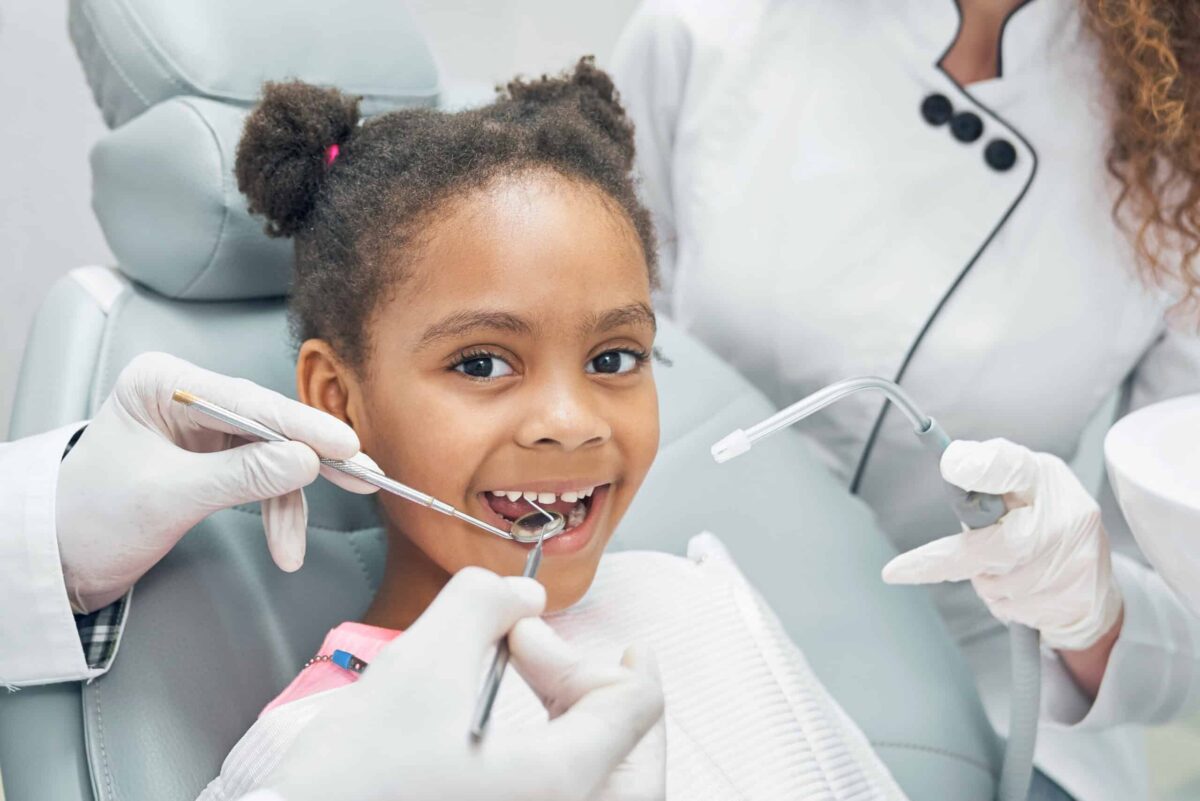
Early dental care plays a significant role in protecting a child’s oral health and supporting healthy development as they grow. A pediatric dentist monitors tooth eruption, identifies early signs of decay or bite concerns, and helps families build effective home-care habits from the start. Here is why scheduling early visits with a pediatric dental specialist matters:
Starting With the First Visit
You should schedule the first dental appointment around your child’s first birthday to make sure their oral health is on the right track. A pediatric dentist will examine the child’s teeth, gums, jaw, and oral tissues to make sure everything is developing correctly. During this appointment, the dentist provides guidance on properly cleaning the infant’s teeth and gums. They will demonstrate techniques such as using a soft cloth or a small, soft-bristled toothbrush. They will also discuss dietary habits that affect oral health. The educational component helps caregivers manage their child’s oral hygiene effectively at home.
Preventing Cavities Early
Cavities are a common chronic disease in children, but they are largely preventable with the right care and professional guidance. A pediatric dentist uses specific treatments and educational strategies to prevent tooth decay. Here are some of them:
- Fluoride applications: Professional fluoride treatments strengthen the enamel of primary teeth, making them more resistant to acid attacks from plaque bacteria and sugars.
- Dental sealants: The dentist applies thin, protective coatings to the chewing surfaces of the back teeth (molars) to prevent food and bacteria from getting trapped in the deep grooves.
- Dietary counseling: The doctor reviews the child’s eating and drinking habits to identify high-risk behaviors.
- Hygiene instruction: Parents and children learn correct brushing and flossing techniques to remove plaque effectively from all tooth surfaces.
Implementing these preventive measures early helps maintain a cavity-free smile as the child grows and develops.
Catching Bite Issues Early
A pediatric dentist examines the health of individual teeth during a routine examination and evaluates the relationship between the upper and lower jaws to identify potential bite problems. Issues like crossbites, overbites, or crowding are easier to manage when identified early in development. The dentist monitors the child’s growth patterns at every visit to track changes in the jaw structure.
Prolonged oral habits such as thumb sucking or pacifier use can significantly impact the shape of the mouth and the alignment of teeth. If these habits persist beyond a certain age, they can cause the front teeth to tip outward or the roof of the mouth to narrow. A pediatric dentist can identify signs that these habits are affecting oral development and suggest strategies or appliances to help the child stop the habit before it causes permanent structural damage.
Building Dental Habits
Creating a positive association with dental care helps children view these visits as a normal and necessary part of life. Here’s how regular visits to the pediatric dentist allow the child to become familiar with the dental environment:
- Desensitization: Frequent, low-stress visits help the child get used to the sights, sounds, and sensations of the dental office, reducing fear over time.
- Education: Children learn the correct way to care for their teeth through age-appropriate demonstrations and explanations provided by the dental team.
- Routine building: Establishing a schedule of check-ups every six months reinforces the habit of prioritizing oral health and hygiene.
- Anxiety reduction: A pediatric dental specialist uses behavioral management techniques, such as “tell-show-do,” to make the child feel safe and comfortable during procedures.
These efforts benefit the patient well into adulthood.
Visit a Pediatric Dentist Today
Prioritizing early dental care sets the background for a lifetime of healthy smiles and overall well-being. A pediatric dentist addresses the unique physiological and psychological dental needs of children. Contact a dental practice near you to schedule an appointment with a pediatric dentist for your child today.