
The Role of Gastric Sleeve Surgery in Weight Loss
July 10, 2026
What To Know About IVF Service
July 10, 2026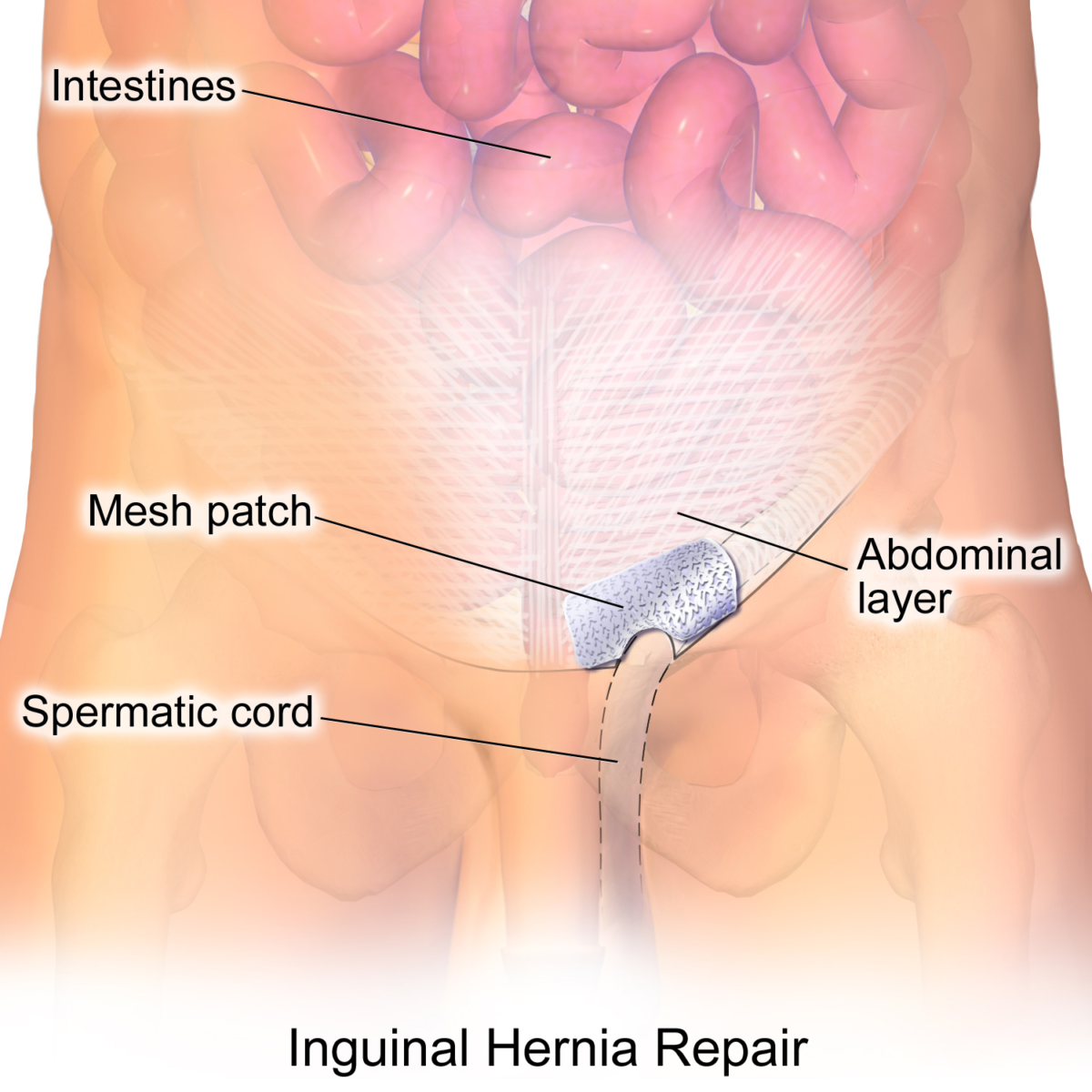
A hernia happens when an organ or tissue pushes through a weak spot in the muscle wall. Many people notice a bulge, and some feel discomfort during lifting or coughing. Since the muscle wall will not heal on its own, surgery is the standard fix. This is what to expect before and after you undergo hernia repair surgery:
Initial Consultation
Your first visit for hernia repair surgery starts with a physical exam. The surgeon checks the bulge, and you describe when it appeared and how it feels. Since imaging helps confirm the size and location, you might get an ultrasound or CT scan so you leave with a clear picture of your diagnosis. During this appointment, you talk through your options together.
Various Surgeries
Surgeons use three main methods to repair a hernia. Each one closes the weak spot, and each has its own recovery timeline. Since the right choice depends on your anatomy, your surgeon explains which one fits your situation. Here are the common approaches:
- Open surgery: The surgeon makes one larger incision to reach the hernia directly.
- Less invasive surgery : Several small cuts allow thin tools and a camera inside.
- Robotic surgery: The surgeon controls robotic arms through small incisions for precise movements.
Open repair often suits larger or more complex hernias. Laparoscopic and robotic methods use smaller cuts, and they usually mean less scarring. Because tissue trauma stays lower with these two options, some patients return home the same day. Your surgeon matches the method to your needs.
Pre-surgery Preparation
Preparation begins in the weeks before your procedure. You get pre-operative instructions, and the team reviews your current medications. Since certain drugs raise bleeding risk, you may need to pause blood thinners. Follow every instruction your care team gives you.
A few simple steps help your body get ready. Stop smoking if you can, and arrange a ride home for surgery day. Since anesthesia stays in your system afterward, you cannot drive yourself. Plan your meals and fasting window around the times listed on your paperwork.
Set up your home before the day arrives. Keep loose clothing nearby, and stock easy foods within reach. When bending and lifting are limited, place daily items at waist height. A little planning makes your first days back smoother.
Post-surgery Care
Recovery starts as soon as the procedure ends. You rest in a recovery area, and the staff monitors your vital signs. Since mild soreness is normal, your team provides pain management guidance. Most patients walk short distances within hours.
At home, you follow a clear set of activity limits. Avoid heavy lifting, and keep your incisions clean and dry. As your muscles need time to knit, you gradually increase movement over several weeks. Call your surgeon if you notice redness, swelling, or fever.
Schedule a Hernia Repair Consultation
A hernia rarely improves without treatment, and it may grow over time. Since early evaluation gives you more options, an exam helps you plan ahead. You get personalized guidance, and you decide the path that fits your life. Since timely care matters, book your appointment soon; call an office today to schedule your hernia repair consultation.
- The Link Between Hormone Replacement Therapy and Improved Quality of Life
- Streamlining Your Kitchen and Bathroom Remodeling for Efficiency
- Benefits of Self-Care in Mental Health Maintenance
- Effective Home Remedies and Care Tips for Coping with Bunions
- Understanding the Benefits and Risks of Cataract Surgery