
The Role of a Family Doctor in Geriatric Care
August 10, 2026
Understanding the Services Offered by Your Primary Care Doctor
August 10, 2026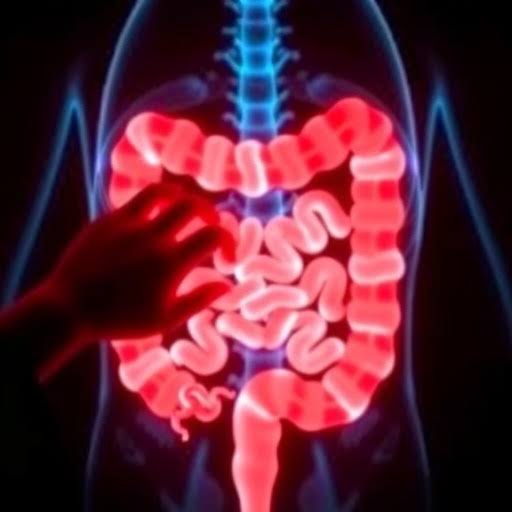
A colonoscopy examines the inside of the colon and rectum; it also examines the end of the small intestine when indicated. The procedure detects conditions such as colorectal cancer, inflammatory bowel disease, and diverticular disease. It also investigates symptoms such as abdominal pain, rectal bleeding and changes in bowel habits, while doctors can remove polyps or take tissue samples during the same exam.
Understanding Colonoscopy
A colonoscopy uses a long, flexible tube called a colonoscope. A small camera sends images to a monitor; the doctor guides the scope through the rectum and colon. The scope also allows the doctor to pump air, carbon dioxide, or water into the colon, which provides a clearer view of its lining. Doctors can pass instruments through the tube to take tissue samples or remove polyps; the exam usually takes 30 to 60 minutes. Sedation through a vein helps reduce discomfort during the procedure.
Colonoscopy helps investigate intestinal symptoms. Doctors use it to evaluate abdominal pain, rectal bleeding, long-lasting diarrhea, and changes in bowel habits; the procedure also helps identify conditions that affect the colon. Colorectal cancer screening is another common use, and screening for people at average risk starts at age 45. When findings do not require earlier follow-up, the exam may be repeated every 10 years. People with risk factors such as a family history of colorectal cancer, inflammatory bowel disease, or inherited genetic syndromes may need earlier or more frequent screening.
Reviewing Colonoscopy Risks
Colonoscopy is generally considered safe. Bleeding is one possible complication, and it most frequently occurs after a polyp is removed or tissue is sampled. A tear in the colon wall, called perforation, is another risk, and further treatment or surgery may be needed when it occurs. Sedation also carries risks. These include breathing or heart-related problems, and older adults or people with underlying medical conditions face a higher likelihood of these reactions. The care team reviews medical history before the procedure.
Preparing for Colonoscopy
Bowel preparation clears stool from the colon. Preparation usually begins one to two days before the exam, and patients follow instructions about diet, liquids and medicines. A low-fiber or low-residue diet may be used before the procedure, while solid food is stopped the day before and clear liquids are consumed. Red liquids are avoided because they can resemble blood during the exam. These steps clear the colon, and the healthcare team provides preparation instructions based on the procedure.
Blood-thinning medicines, including aspirin and anticoagulants, are reviewed before the procedure. Adjustments depend on the patient’s health profile, and the care team reviews these medicines before the exam. Liquid laxatives and pill-based preparations are among the available options, while preparation instructions vary based on the patient’s circumstances. Following the prescribed preparation helps clear the colon before the procedure.
Discuss Colonoscopy Care
Colonoscopy examines the colon and allows doctors to remove polyps during the same procedure. It also helps investigate symptoms and identify conditions affecting the colon; tissue samples provide material for further evaluation. Preparation clears the colon, while sedation helps reduce discomfort during the exam. When screening or symptoms lead to a colonoscopy, the healthcare professional determines the appropriate timing based on the person’s medical circumstances.
- The Link Between Hormone Replacement Therapy and Improved Quality of Life
- Streamlining Your Kitchen and Bathroom Remodeling for Efficiency
- Benefits of Self-Care in Mental Health Maintenance
- Effective Home Remedies and Care Tips for Coping with Bunions
- Understanding the Benefits and Risks of Cataract Surgery