
Building a Trusting Relationship With Your Gynecologist
August 10, 2026
A Guide on When to Choose Urgent Care
August 11, 2026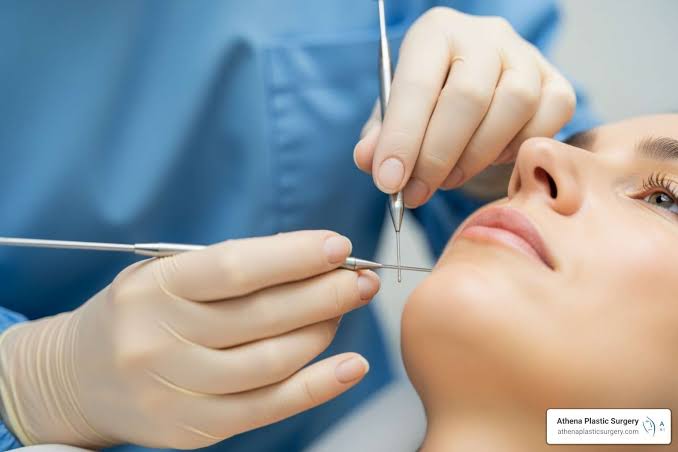
The eyelids serve a functional role in protecting the eyes, and this function helps support clear vision. The skin and muscles surrounding the eyes may change due to aging, genetics, or other factors over time, affecting both appearance and daily comfort. Eyelid surgery is a procedure that addresses concerns related to the upper or lower eyelids.
What Is Eyelid Surgery?
Eyelid surgery is a procedure that adjusts the tissue around the eyes. This may include skin, fat, or muscle in the upper eyelids, lower eyelids, or both. The goal of the procedure varies from person to person, and it depends on the concerns being addressed. Some individuals seek eyelid surgery for cosmetic reasons, while others pursue it to address functional issues that affect vision or comfort. Each case is evaluated individually, and the approach is tailored to the person’s anatomy and needs.
What Is It Used For?
Eyelid surgery may be used to address a range of concerns. The skin around the eyes often loses elasticity with age, and the muscles supporting the eyelids can weaken. This may lead to sagging or drooping tissue, particularly along the upper eyelids. Excess skin on the upper lids can extend far enough to affect a person’s field of vision.
Common reasons people explore eyelid surgery include:
- Excess upper eyelid skin that may interfere with sight or create a tired appearance
- Baggy lower eyelids
- Droopy eyelids that alter the shape or symmetry of the eyes
A specialist can help determine whether the concern is primarily cosmetic, functional, or a combination of both.
What Does It Involve?
The specifics of eyelid surgery depend on the areas being treated and the goals established during the evaluation. A typical process begins with an assessment, during which the specialist can examine the eyelids and discuss the person’s concerns. For upper eyelid procedures, the surgeon commonly makes an incision within the natural crease of the lid. Excess skin and sometimes small amounts of fat or muscle can be removed or repositioned. The incision may be placed just below the lash line or on the inside of the eyelid for lower eyelid procedures, but this depends on the technique used.
Eyelid surgery is often performed as an outpatient procedure; this means people generally can return home the same day. Local anesthesia with sedation may be used based on the scope of the work and the recommendations of the medical team. After the procedure, a recovery period follows. Mild swelling or bruising around the eyes is common during the initial days.
Specialists may provide guidance on caring for the area, managing discomfort, and knowing when to resume normal activities. Recovery timelines differ from one person to the next, and it depends on the extent of the surgery and individual healing patterns. Follow-up appointments allow the medical team to monitor progress and address any questions that arise.
Confer With an Ophthalmologist
Because the eyes are a sensitive and functional part of the body, any decision about surgery should be made with the guidance of a specialist. An ophthalmologist can evaluate the health of your eyes, and they will examine the surrounding tissue. Speaking with a professional gives you the opportunity to learn about potential outcomes, recovery expectations, and alternatives that might address your concerns.
- The Link Between Hormone Replacement Therapy and Improved Quality of Life
- Streamlining Your Kitchen and Bathroom Remodeling for Efficiency
- Benefits of Self-Care in Mental Health Maintenance
- Effective Home Remedies and Care Tips for Coping with Bunions
- Understanding the Benefits and Risks of Cataract Surgery