
Key Components of a Comprehensive Physical Exam
August 12, 2026
The Process of a Facelift
August 12, 2026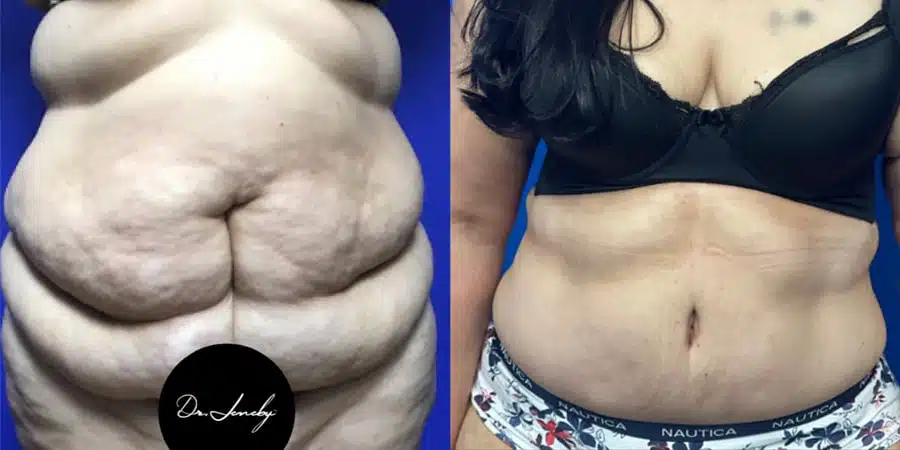
A tummy tuck, or abdominoplasty, removes excess skin and fat from the abdomen, and surgeons also tighten the muscles that sit underneath the skin. The procedure suits people who want a firmer midsection, and recovery follows a clear pattern. When you know what to expect, the early weeks may become more manageable. This is how to navigate tummy tuck recovery:
Rest in Bent Position
Rest is significant during the first few days after tummy tuck surgery. Since your abdominal muscles are tightened, you keep your knees bent while lying down. Prop pillows under your knees and behind your back, and this position reduces tension on the incision. A recliner typically works well.
Since sleeping flat pulls on the sutures, a slightly reclined angle helps. Keep pillows within reach before you settle in for the night. This setup supports your body, and it lowers strain during the earliest phase of healing.
Wear Compression Binders
Your surgeon fits you with a compression binder right after the procedure. The binder supports your abdomen, and it helps limit swelling in the treated area. Wear it as directed. For many patients, they keep the garment on for several weeks.
You typically remove the binder only for showering or cleaning the skin underneath. Since compression aids circulation, consistent use plays a steady role throughout recovery. Keep the fabric clean and dry to avoid irritation.
Proper care in the weeks following your procedure greatly enhances your results and comfort. Clean the binder regularly to maintain hygiene, as this reduces the risk of skin irritation. While wearing the compression garment is needed for reducing swelling and improving circulation, remember to follow your surgeon’s specific guidelines to ensure optimal healing.
Take Medications Diligently
Follow the medication schedule your care team provides. Your surgeon may prescribe pain relievers and antibiotics, and each one serves a specific purpose. Set reminders on your phone so no dose slips by, because timing matters.
Antibiotics are taken to reduce the risk of infection, and this takes place when you finish the full course. Take pain medication before discomfort peaks, since staying ahead of it keeps you more comfortable. Never mix prescriptions with other drugs without checking first.
To stay organized, track each dose in a simple log or a notes app. A short checklist keeps you organized during the groggy early days:
- Pain reliever times
- Antibiotic schedule
- Stool softener, if prescribed
Review the list with a family member, and this shared record helps someone assist you when needed.
Stand Up Straight Gradually
You walk with a slight forward bend for the first week or two; this posture protects the incision, and it feels natural while the tissue heals. Move slowly, because rushing upright too soon adds strain. Straighten your posture a little more each day as comfort allows. As muscles need time to adjust, gradual progress reduces pulling on the repair site. Short, frequent walks around the house support circulation, and this can be accomplished without overdoing it.
Schedule a Tummy Tuck Follow-up
Follow-up visits let your surgeon monitor your progress, so book these visits before you leave the clinic. Recovery takes patience, and steady attention to these steps supports the process. If you have questions about abdominoplasty recovery, reach out to a surgery team to schedule a consultation. They can walk you through each stage and answer your questions with care.
- The Link Between Hormone Replacement Therapy and Improved Quality of Life
- Streamlining Your Kitchen and Bathroom Remodeling for Efficiency
- Benefits of Self-Care in Mental Health Maintenance
- Effective Home Remedies and Care Tips for Coping with Bunions
- Understanding the Benefits and Risks of Cataract Surgery