
What To Expect During Your Visit to a Pain Clinic
August 12, 2026
Exploring the Benefits of IV Therapy for Hydration and Wellness
August 12, 2026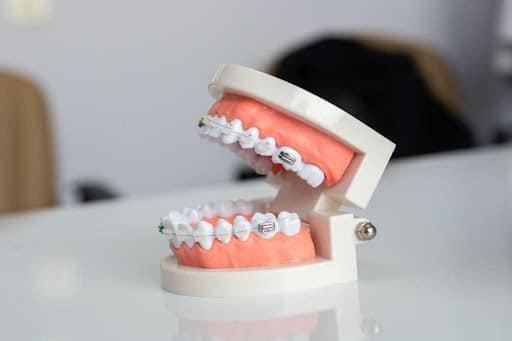
Orthodontics includes a range of treatments designed to correct misaligned teeth, bite problems, and jaw irregularities. Options such as traditional braces vary in appearance, function, and suitability for different needs. Here is more information on the different types of orthodontic treatments:
Correcting Teeth With Braces
Traditional metal braces are a common and effective option for correcting misaligned teeth. This orthodontics uses a combination of brackets, wires, and bands to gradually shift teeth into their proper positions over time. Here are the key components and aspects of metal braces:
- Brackets: Small metal squares bonded to the front of each tooth, serving as anchors for the braces.
- Archwires: Flexible wires threaded through the brackets, exerting pressure on the teeth to guide their movement.
- Ligatures: Elastic bands that hold the archwires in place, available in various colors for customization.
- Adjustments: Regular appointments to tighten or adjust the braces, providing steady progress in alignment.
Using Clear Aligners
Clear aligners offer a discreet approach to orthodontics for people who want a subtle look during treatment. These are removable trays, made from clear plastic, that fit over your teeth and move them a little at a time. It uses a series of trays, and you swap each one after a set number of days while your teeth follow the planned route. You can also take them out to eat and brush. Aligners suit mild to moderate cases, and your orthodontist will check whether they match your situation before you begin. You wear each tray for most of the day, and consistent use keeps your progress on schedule.
Guiding Jaw Development
Some patients need more than tooth movement, and this is where jaw guidance becomes a key part of orthodontics. When the upper and lower jaws do not meet correctly, an orthodontist may recommend appliances that influence growth, especially in younger patients whose jaws are still developing. These devices can widen a narrow arch or encourage a jaw to shift toward better alignment, and they often work alongside braces or aligners.
Early treatment can address crossbites and other bite concerns before they become more complex. An orthodontist studies your bite, takes images, and then builds a plan that matches your stage of development. A palatal expander can create more room in the mouth, and this may reduce crowding as new teeth arrive.
Maintaining Results
Completing braces or aligners marks a milestone in orthodontics, but your teeth still need support to remain in their new positions. An orthodontist will explain how to protect your results, but these two habits are fundamental in the maintenance process.
Wearing Retainers
Retainers hold your teeth in place after active treatment ends, and they come in fixed or removable forms. A removable retainer slips out for cleaning, while a fixed retainer stays bonded behind your teeth, so it works quietly in the background. Your orthodontist tells you how often to wear it, and regular use helps keep your smile aligned.
Keeping Regular Checkups
Routine visits let your orthodontist track your progress and identify small shifts early. During each appointment, the team examines your teeth, reviews your retainer, and answers any questions you ask. These checkups also support your overall oral health and help make sure your results remain stable over time.
Schedule Your Orthodontics Appointment Today
Orthodontics covers a range of options, including braces, clear aligners, and appliances that guide jaw development. Braces apply controlled pressure, and aligners offer a discreet approach. Wearing your retainer as instructed helps keep your smile aligned, while regular checkups allow your orthodontist to monitor your progress and address concerns promptly. Contact a qualified orthodontist near you to schedule your orthodontics consultation today.
- The Link Between Hormone Replacement Therapy and Improved Quality of Life
- Streamlining Your Kitchen and Bathroom Remodeling for Efficiency
- Benefits of Self-Care in Mental Health Maintenance
- Effective Home Remedies and Care Tips for Coping with Bunions
- Understanding the Benefits and Risks of Cataract Surgery