
The Connection Between Dermatology and Overall Skin Health
August 26, 2026Kids Birthday Party: Why 2 Hours Is Always More Fun Than More
August 28, 2026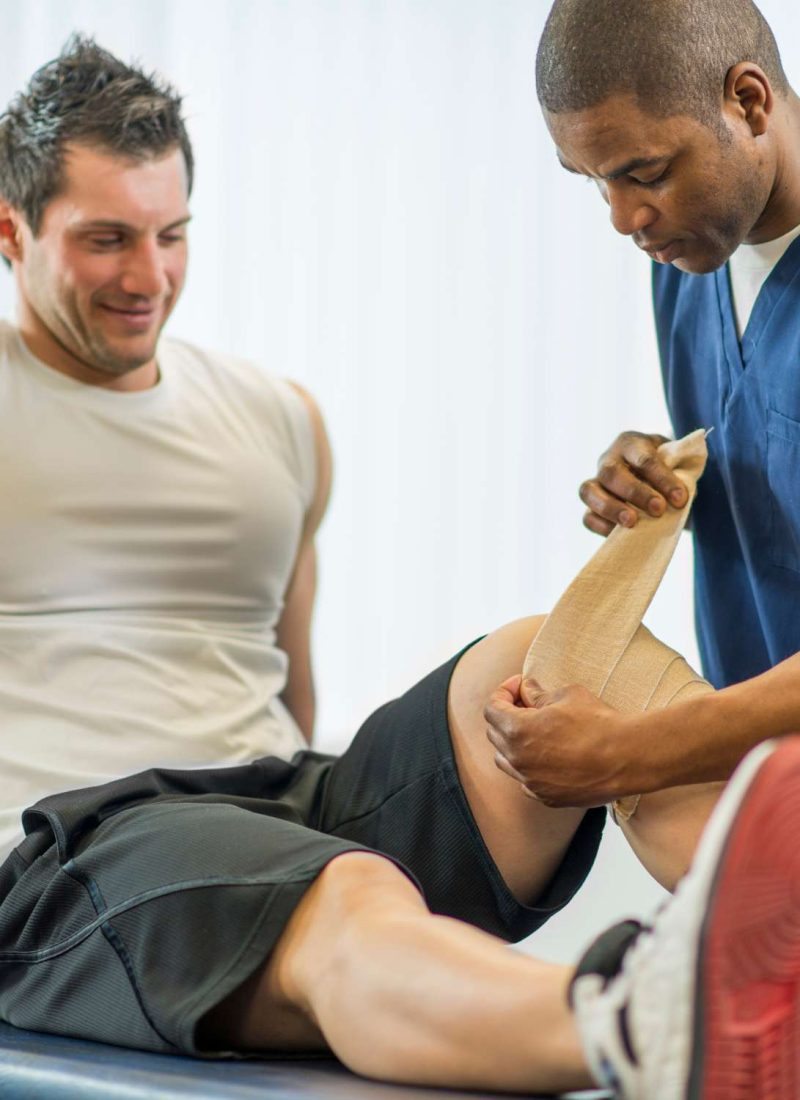
A meniscus tear happens when knee cartilage is damaged, often from twisting motions, deep squatting, or direct impact. The meniscus is a piece of cartilage that cushions the space between your thigh bone and shin bone. Each knee has two menisci, which absorb shock and stabilize the joint during movement. Age-related wear can also weaken this cartilage over time. When a tear occurs, you may notice swelling, stiffness, or a locking sensation that limits how far the knee can bend or straighten. Here’s information on rehabilitation after a meniscus tear:
Reduce Pain
The first goal after a meniscus tear is to manage discomfort and swelling. These symptoms can affect walking, climbing stairs, and other daily activities. Rehabilitation plans focus on clear goals to support recovery and help restore knee function. Many tears respond to conservative treatment, which avoids surgery in favor of rest and supportive care. The RICE method, standing for rest, ice, compression, and elevation, is a common way to manage the early days after an injury.
Some patients use a knee brace for added support and activity modification to prevent further strain. These approaches give the cartilage time to settle, and they allow the surrounding tissues to calm down. Over-the-counter anti-inflammatory medication may help reduce swelling and ease soreness for some tears. The appropriate conservative plan depends on the tear’s:
- Type
- Size
- Location
Improve Strength and Flexibility
Once pain decreases, the next recovery goal is rebuilding strength and range of motion. When possible, a physical therapist guides people through exercise plans that protect the joint while it heals. Structured exercises target the quadriceps, hamstrings, and muscles that stabilize the knee. Stronger muscles support the joint and reduce stress on the injured cartilage.
Surgery may be recommended when conservative treatment does not restore function, when the tear is large, or when the knee locks and cannot move freely. Arthroscopic knee surgery is a minimally invasive procedure used to diagnose and treat certain meniscus tears. During this procedure, a surgeon inserts a small camera called an arthroscope through a tiny incision. This camera sends images to a screen, giving the surgeon a clear view inside the joint.
Through additional small incisions, the surgeon can trim damaged cartilage or repair the tear with sutures. Recovery after arthroscopy usually includes a guided rehabilitation program to rebuild flexibility and strength. Physical therapy helps the knee regain motion gradually, and it supports a safe return to physical activity.
Support Mobility
In some patients, a meniscus tear results from extensive joint damage that affects multiple knee components. When cartilage loss combines with advanced arthritis, the knee may no longer respond to repair-focused treatments. A surgeon may discuss a partial or total knee replacement to support long-term mobility in these advanced cases.
A partial knee replacement focuses on the damaged section of the joint, while a total knee replacement addresses the entire knee. Replacement surgeries are generally reserved for significant, ongoing damage that limits daily function and does not improve with other options. Surgical recommendations depend on the extent of a patient’s cartilage loss, as well as their age, activity level, and overall joint health. An orthopedic specialist evaluates these factors before recommending any surgical path.
Manage Your Meniscus Tear Effectively
Recovery from a meniscus tear follows a series of goals that build on one another, from reducing pain to protecting long-term mobility. The appropriate care plan depends on your individual needs and the details of your injury. If you have knee pain, swelling, or limited movement, an orthopedic specialist can assess your condition and discuss potential treatments. A thorough evaluation helps identify which treatments fit your needs and how your rehabilitation should progress. Contact an orthopedic specialist today to discuss your symptoms and create a plan suited to your recovery.
- The Link Between Hormone Replacement Therapy and Improved Quality of Life
- Streamlining Your Kitchen and Bathroom Remodeling for Efficiency
- Benefits of Self-Care in Mental Health Maintenance
- Effective Home Remedies and Care Tips for Coping with Bunions
- Understanding the Benefits and Risks of Cataract Surgery