

Exploring the Role of PRP in Hair Restoration Treatments
February 23, 2026
How to Prepare for Spider Vein Removal Treatments
February 24, 2026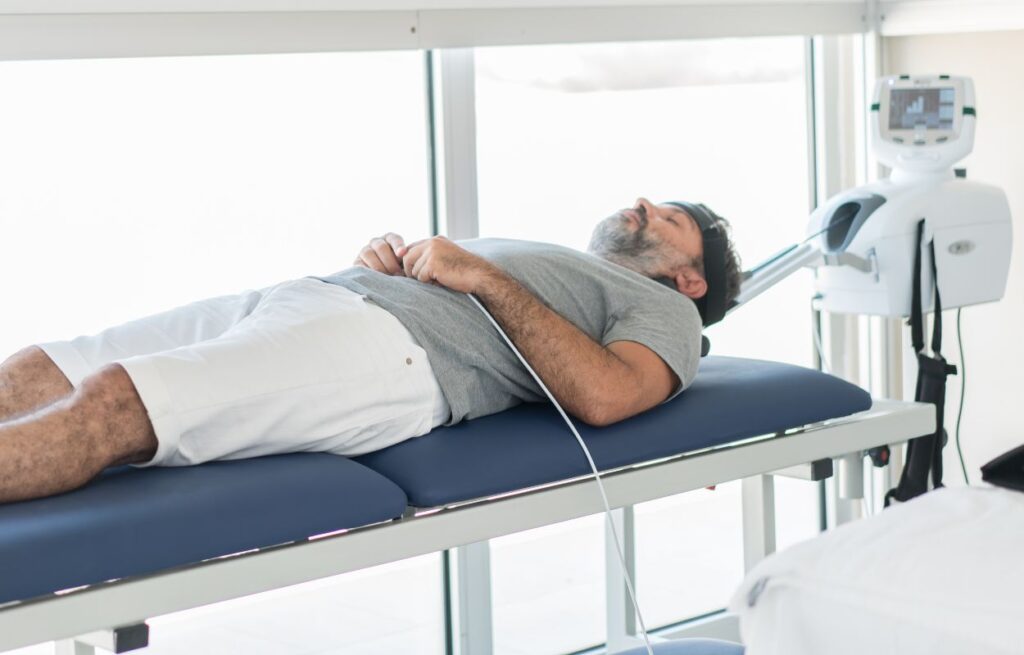
Spinal decompression relieves pressure on the spinal cord or nerves, addressing pain that radiates through the back, neck, arms, or legs. Conditions like herniated discs, spinal stenosis, and degenerative disc disease commonly require this intervention. Many may associate spinal decompression primarily with back injuries, but it can also treat complications from head trauma when those injuries affect the cervical spine or create nerve compression patterns that extend beyond the initial site of impact.
Addressing Spinal Nerve Pressure
Spinal decompression targets the source of nerve compression. When discs bulge or bone spurs develop, they can press against spinal nerves and cause debilitating pain. The procedure creates space around compressed nerves, and this allows inflammation to decrease and blood flow to improve. For patients with head trauma, cervical spine involvement may contribute to ongoing symptoms.
Determining Surgical Decompression Approaches
Before any procedure begins, physicians typically conduct thorough evaluations. Imaging studies like MRI or CT scans may reveal the location and severity of nerve compression. Doctors review medical history and perform physical examinations to determine whether decompression will benefit the patient. Some cases respond well to non-surgical decompression using traction devices, but others require surgical intervention.
Surgical decompression involves several possible approaches:
- Laminectomy: Surgeons remove part of the vertebral bone to create more space for the spinal cord.
- Discectomy: Providers remove herniated disc material pressing on nerves.
- Foraminotomy: This widens the opening where nerve roots exit the spinal column.
Recovery timelines vary based on the technique used and the patient’s overall health. Physical therapy supports healing and helps patients regain strength and mobility after the procedure.
Measuring Pain Relief Success
Pain relief is the primary goal of spinal decompression, and some patients experience improvement in their symptoms within weeks of the procedure. Nerve function can return as compression resolves, which restores sensation. Quality of life improves when chronic pain no longer limits daily activities. Patients may need to attend physical therapy appointments to regain strength and range of motion after surgery.
Success rates depend on several factors, such as the underlying condition, the severity of compression, and the patient’s overall health. Patients who follow post-procedure rehabilitation protocols tend to achieve better long-term results. Not every case leads to complete pain elimination, but most patients report meaningful improvement that allows them to resume activities they previously found impossible.
Utilizing Minimally Invasive Advances
Minimally invasive techniques have transformed spinal decompression. These approaches use smaller incisions, which reduces tissue damage and speeds recovery. Patients face fewer complications, and they tend to have shorter hospital stays compared to traditional open surgery.
Robotic-assisted surgery may improve precision during complex procedures. These systems provide enhanced visualization and control, and this allows surgeons to perform delicate decompression with greater accuracy. Because it provides real-time imaging integration, robotic surgery helps guide surgical decisions and reduces the risk of complications.
Learn More About Head Trauma Treatment
Spinal decompression addresses pain by creating space around compressed nerves, whether through surgical or non-surgical methods. Advances in minimally invasive techniques and assistive technologies have improved outcomes and reduced recovery times; for patients experiencing symptoms related to head trauma that involve cervical spine compression, decompression may offer relief when other treatments have not succeeded. If you want to learn more about spinal decompression and head trauma treatment, consult a spine specialist near you.