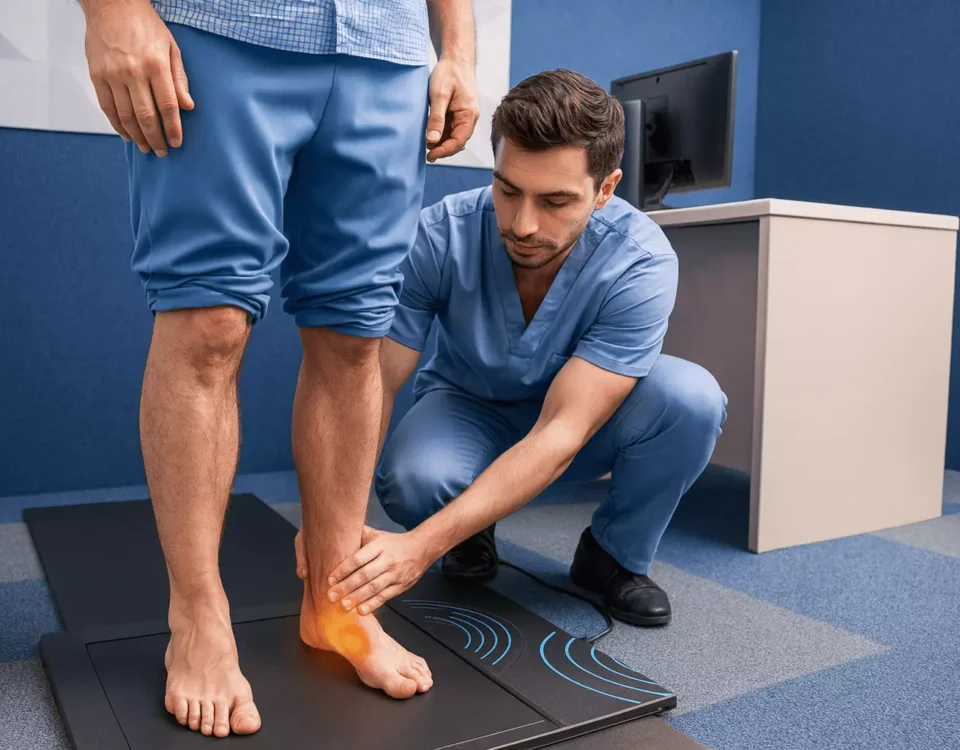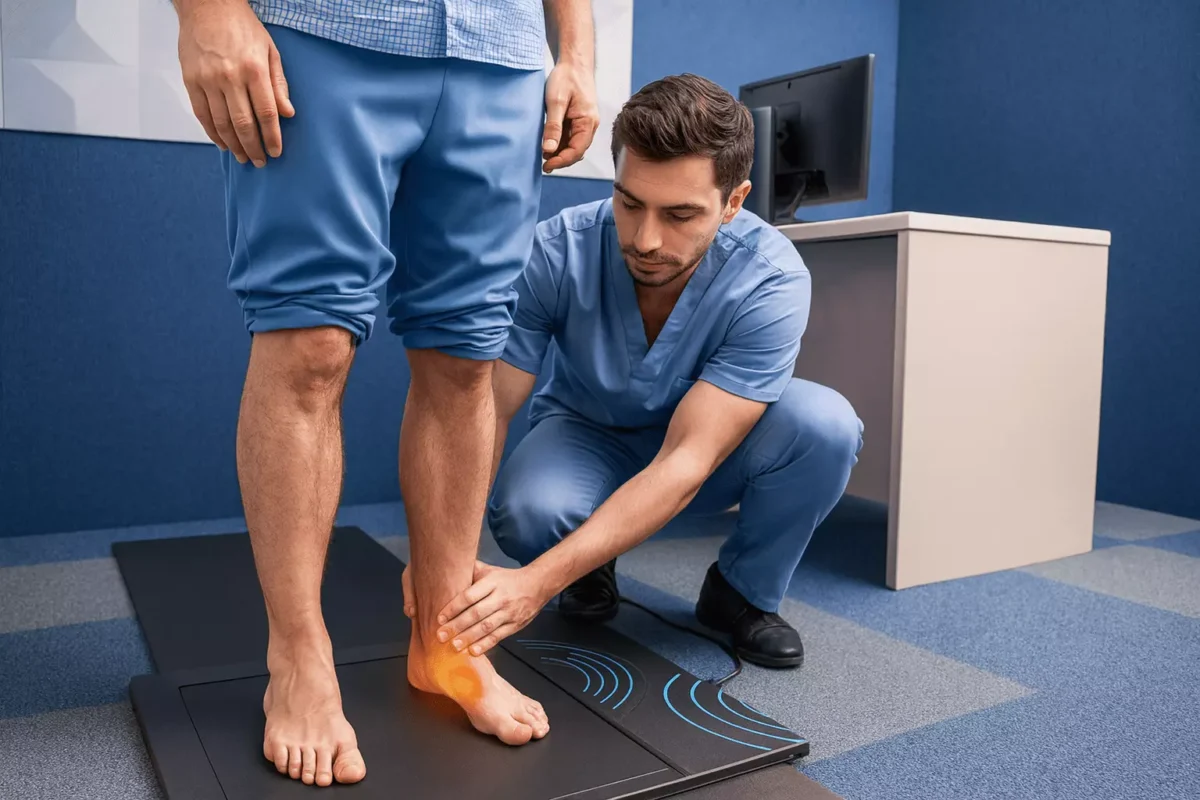
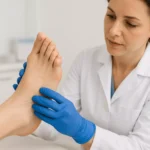
The Benefits of Regular Podiatry Check-ups
March 4, 2026
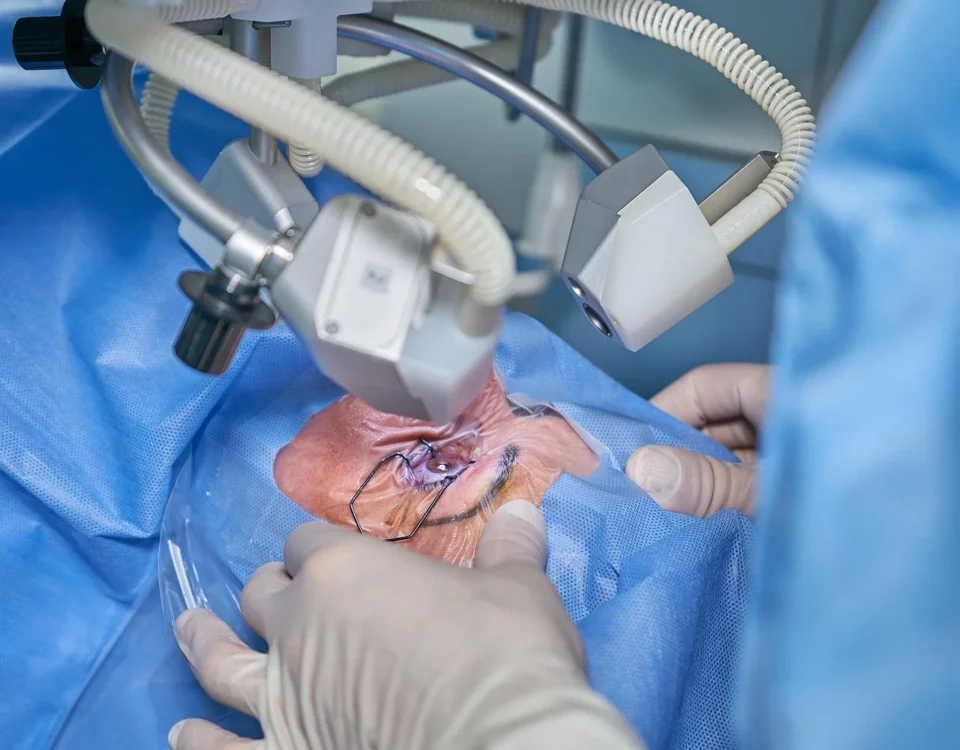
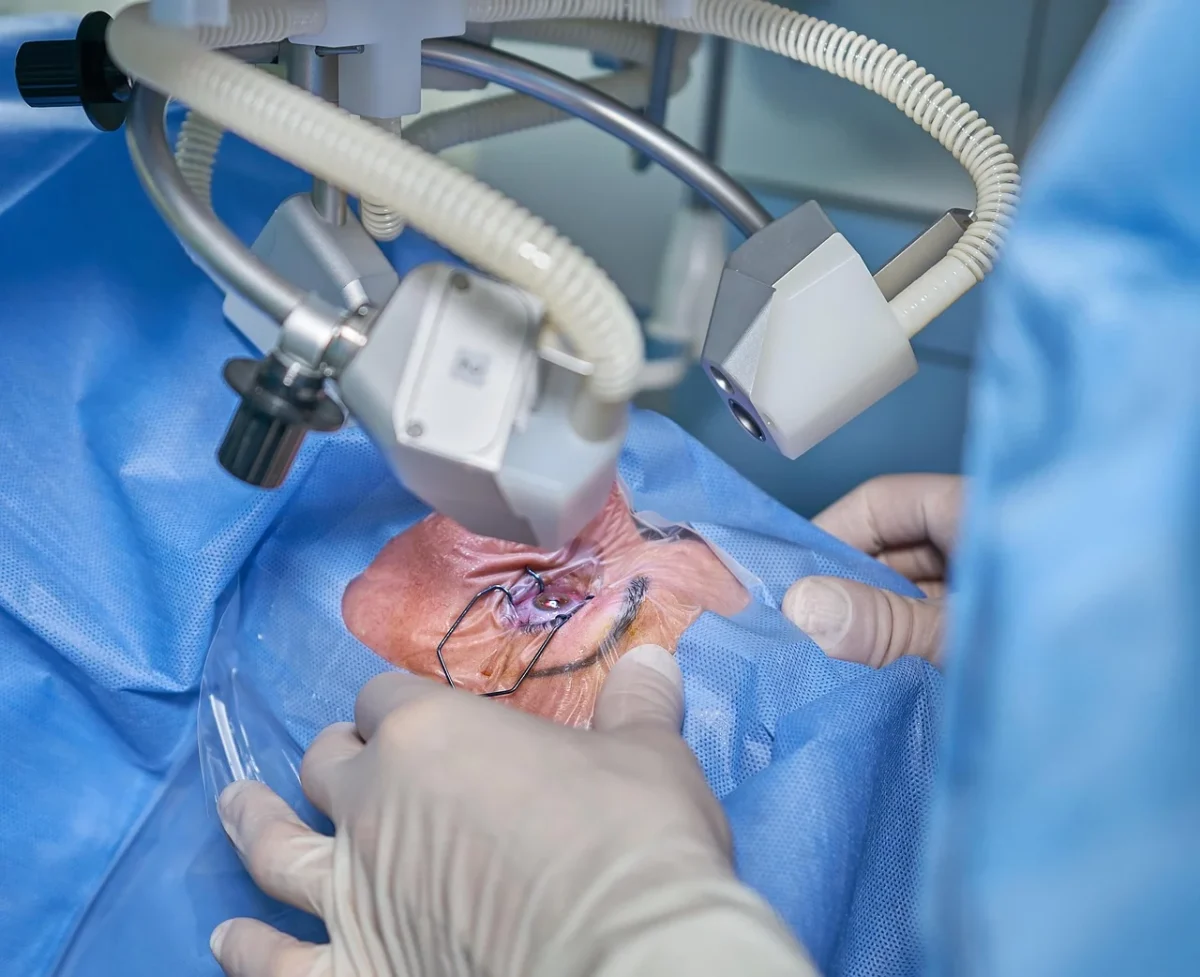
Common Questions About Nerve Blocks
March 4, 2026
Family medicine addresses acute conditions and delivers preventive services during routine visits. The referenced lifestyle medicine literature reports that five of the top causes of death relate largely to lifestyle-associated chronic diseases, and this pattern has influenced primary care approaches. Because regular appointments create opportunities for behavioral counseling, clinicians discuss nutrition, physical activity, and weight management, and they incorporate these topics into ongoing care. Telemedicine services expand access to appointments. Preventive care remains integrated within primary care practice.
Advancing Family Medicine Practice
Family medicine clinics provide comprehensive care that integrates both treatment and preventive services. Clinics manage chronic conditions such as diabetes, hypertension, and obesity, and it offers preventive visits, weight loss management programs, and on-site laboratory services. Telemedicine appointments allow patients to access care remotely. In general lifestyle medicine practice, clinicians encourage healthy behaviors, including attention to diet and physical activity, and integrate these discussions as part of ongoing care, as described in the referenced literature. Routine follow-up visits allow patients to monitor progress and maintain attention to health behaviors over time.
Promoting Preventive Care
Lifestyle medicine focuses on assisting individuals and families in adopting behaviors that improve health. Physicians provide counseling on dietary patterns and physical activity, and they collaborate with patients to outline achievable goals. When clinicians apply this approach in primary care settings, they evaluate existing habits and medical conditions and tailor recommendations to individual circumstances. The referenced literature describes shared medical appointments as one model used to address obesity and related conditions.
Participants in these sessions receive nutrition guidance and physical activity instruction. Behavioral strategies form part of routine primary care discussions. The literature also notes that lifestyle-related chronic diseases account for a large proportion of the leading causes of death. This context shapes clinical conversations, and it supports the integration of behavior-focused counseling into standard primary care practice.
Supporting Lifestyle Change
Group visits benefit individuals with similar health goals. Shared medical appointments provide peer support, and these targeted sessions foster accountability among participants. In these settings, participants discuss challenges related to nutrition, physical activity, and stress management, and they exchange practical strategies that support behavior change. While participants learn practical stress reduction methods, they build lasting camaraderie, and the collaborative group environment reinforces positive lifestyle choices. Cooking demonstrations show participants how to prepare inexpensive meals, and attendees receive guidance on portion control and meal planning. Group discussions allow participants to reflect on personal progress, and facilitators help integrate learned skills into daily routines.
Education transforms passive patients into active health participants. Research describes targeted fitness classes as a component of lifestyle medicine interventions, and instructors guide attendees through safe physical movements. Attendees practice exercises tailored to different ability levels, and structured repetition helps reinforce correct technique. After people learn culturally appropriate food preparation, they gain confidence in the kitchen, and families adopt healthier eating patterns together. Participants report increased awareness of healthy behaviors, and the supportive group environment encourages sustained engagement with lifestyle goals.
Find a Clinic
Primary care settings combine preventive services with treatment of illness. Clinicians evaluate risk factors, and they address daily habits that influence chronic disease development. Although medical management remains necessary for established conditions, routine appointments also include discussion of nutrition, activity, and weight management, and these conversations reflect the principles described in lifestyle medicine literature. Telemedicine and laboratory services support continued engagement. Find a clinic in your area.
- The Link Between Hormone Replacement Therapy and Improved Quality of Life
- Streamlining Your Kitchen and Bathroom Remodeling for Efficiency
- Benefits of Self-Care in Mental Health Maintenance
- Effective Home Remedies and Care Tips for Coping with Bunions
- Understanding the Benefits and Risks of Cataract Surgery