
The Process of a Facelift
August 12, 2026
How Dermatologists Treat Common Nail Disorders
August 12, 2026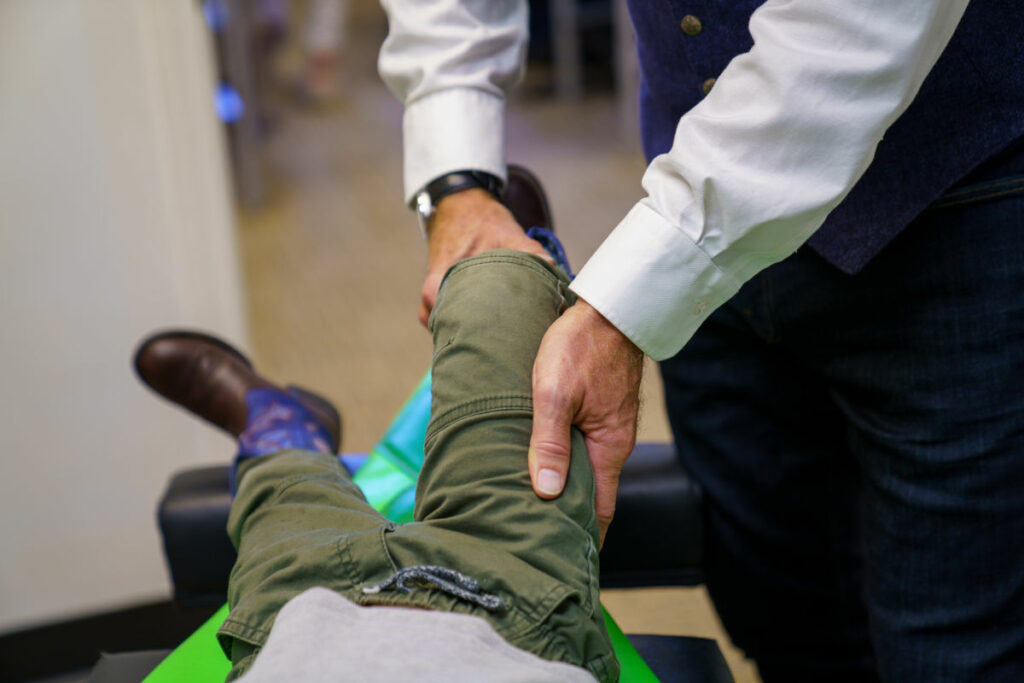
Preparing for an appointment with a knee doctor can help you communicate your symptoms clearly and understand your treatment options. Gathering relevant medical records and preparing questions in advance can support a thorough evaluation. Here is more information on how to prepare for your appointment with a knee doctor:
Document Your Symptoms
Your symptoms tell a story, and a clear record helps your knee doctor understand it quickly. Track your experiences over several days before the appointment because patterns often reveal more than a single moment. Here are key details to record in a symptoms log:
- Pain location and intensity: Note where the pain sits and rate it on a scale of one to ten to measure severity.
- Timing and triggers: Record when pain appears, whether it worsens with climbing the stairs, standing, or rest.
- Mobility limits: Describe activities you can no longer perform, such as kneeling, walking distances, or climbing.
- Swelling and stiffness: Track how often the joint swells, and note the times of day stiffness peaks.
- Sounds or sensations: Mention any grinding, clicking, or a feeling that the knee may give way.
Gather Relevant Medical Records
Your medical records give the knee doctor a complete picture, and they save time during your visit. Collect any past imaging, such as X-rays or MRI scans, because these show the current state of the joint. Records that reveal previous injuries or surgeries are especially useful when your leg anatomy is unusual.
Bring a current list of your medications, including doses and how often you take them. You should include supplements and over-the-counter items, since they sometimes interact with treatment. Insurance details and referral letters belong in your file too because they keep the administrative side moving. Gather your insurance card, policy numbers, and any authorization forms your provider requires.
Prepare Questions and Goals
A clear set of questions can turn a short visit into a productive one. Write your questions in advance because nerves can make you forget them in the moment. Think about what you want your knee to do again, whether that is walking pain-free or returning to daily tasks. Here are some key questions you can ask your doctor:
- Treatment options: Ask which treatment approaches align with your case.
- Procedure details: Request an explanation of how a minimally invasive approach works and what it involves.
- Recovery timeline: Ask how long healing may take, and what activities you can resume along the way.
- Alignment challenges: If your anatomy is unusual, ask how the doctor plans to address alignment.
- Risks and outcomes: Ask about possible complications so you can review choices with clear information.
Plan for the Examination
The physical examination usually involves movement. Wear loose clothing or shorts because the doctor needs to see and move your knee freely. Comfortable, flat shoes help during walking assessments, and they let you demonstrate your natural gait.
During the visit, the doctor may bend the knee, check its range, and observe how you stand or walk. Answer questions honestly because accurate responses often lead to a better understanding of your condition. Bringing a companion can help because a second person often remembers details you may miss. If imaging or follow-up tests are ordered, confirm the dates and locations before you leave.
Visit a Knee Doctor Today
Careful preparation influences your appointment, and it starts with documenting symptoms, gathering records, preparing questions, and planning for the exam. These steps make sure you get the most out of your time with a knee doctor. Taking notes on instructions and asking questions to clarify your care plan also contribute to better outcomes. Contact a qualified knee doctor near you to schedule your appointment today.
- The Link Between Hormone Replacement Therapy and Improved Quality of Life
- Streamlining Your Kitchen and Bathroom Remodeling for Efficiency
- Benefits of Self-Care in Mental Health Maintenance
- Effective Home Remedies and Care Tips for Coping with Bunions
- Understanding the Benefits and Risks of Cataract Surgery