
How to Prepare for Your Appointment with a Knee Doctor
August 12, 2026
Exploring the Efficacy of CO2 Laser Treatments for Skin Resurfacing
August 12, 2026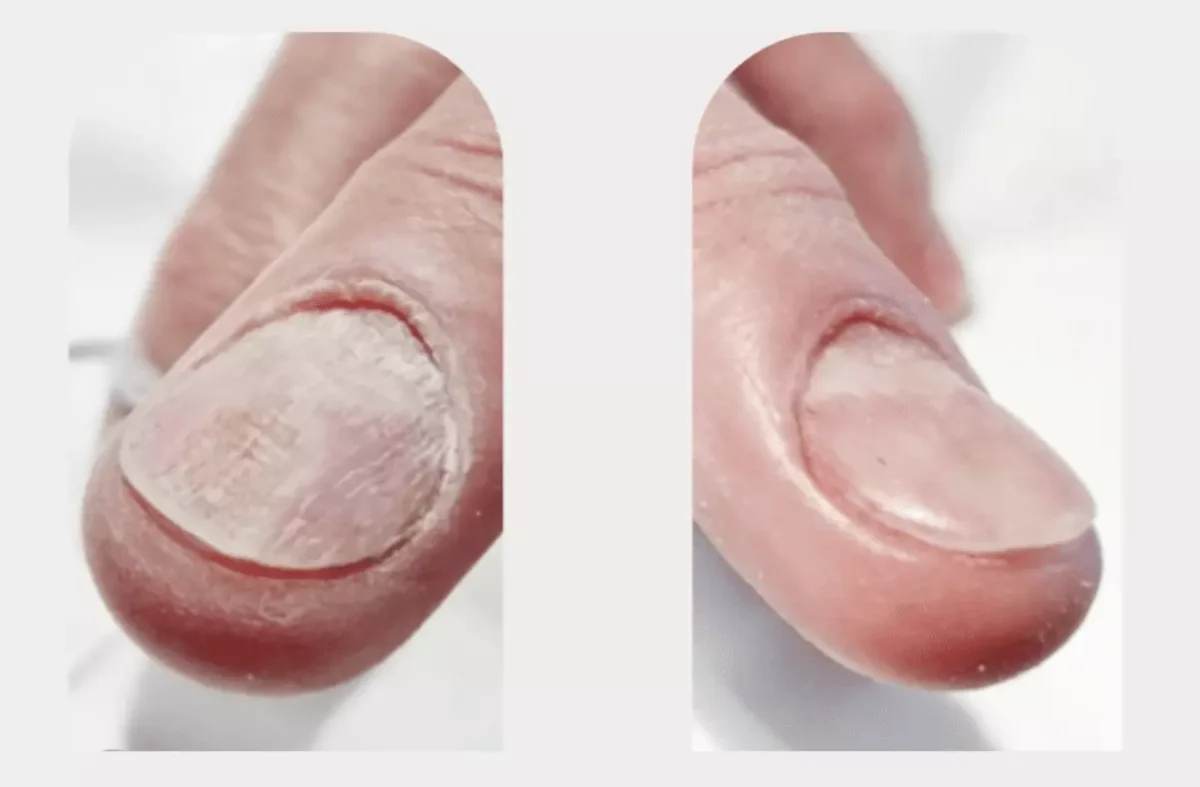
Nail conditions can affect the appearance, texture, and overall health of your fingernails or toenails. A dermatologist evaluates nail changes and recommends treatment based on your diagnosis and healthcare needs. Learning to recognize common nail conditions can help you better understand when to seek dermatologic care. Here is more information about how dermatologists treat common nail disorders:
Treating Nail Fungus
Nail fungus is a common condition that affects the fingernails or toenails. A dermatologist evaluates the affected nail and recommends treatment based on your diagnosis and healthcare needs. Symptoms may include nail discoloration, thickening, or changes in texture.
Treatment options vary according to the severity of the infection. A dermatologist may recommend topical medications, oral medications, or other therapies when appropriate. Your provider explains the recommended treatment plan and expected follow-up care. Ongoing evaluations help monitor your response to treatment and guide any necessary changes.
Managing Ingrown Nails
An ingrown toenail develops when the edge of the nail grows into the surrounding skin. A dermatologist evaluates your symptoms and examines the affected nail during your visit. Treatment recommendations are based on your diagnosis and individual healthcare needs.
Mild cases may be managed with conservative treatment. Your provider is able to recommend home care measures or in-office treatment when appropriate. The recommended approach depends on the severity of your symptoms. Follow-up visits may be scheduled to monitor healing.
Recurring or more severe ingrown toenails may require a minor procedure. A dermatologist is able to explain the procedure, recovery instructions, and follow-up care before treatment. Your care plan is personalized according to your condition and healthcare needs.
Treating Nail Psoriasis
Nail psoriasis may cause changes in the appearance or texture of the fingernails or toenails. A dermatologist evaluates your symptoms and determines whether additional testing is needed to confirm the diagnosis. Treatment options vary according to the severity of the condition and your healthcare needs. Your provider is able to discuss available therapies and develop a personalized treatment plan based on your evaluation.
Evaluating Nail Injuries
Nail injuries may result from repeated pressure, direct trauma, or other accidents. A dermatologist evaluates the affected nail and recommends treatment based on your diagnosis and healthcare needs. Your evaluation may include:
- Nail Bruising: Changes beneath the nail after an injury.
- Nail Separation: Damage affecting the nail or nail bed.
- Persistent Discoloration: Nail changes that require further evaluation.
- Pain or Pressure: Symptoms associated with a nail injury.
Skin Cancer Under the Nail
Changes beneath or around the nail will sometimes require evaluation by a dermatologist. Dark streaks, changes in nail color, or changes in nail growth may be signs of several nail conditions. A thorough examination helps identify the cause of these symptoms.
If skin cancer is suspected, a dermatologist is able to recommend a biopsy to evaluate the affected tissue. Mohs surgery may be an option for certain skin cancers involving the nail or surrounding skin. Additional treatment recommendations are based on the examination findings and diagnosis. Follow-up visits allow your provider to monitor healing and ongoing skin health.
Schedule With a Dermatologist Today
Nail conditions can affect the appearance, function, and health of your fingernails or toenails. A dermatologist evaluates nail changes and recommends treatment based on your diagnosis and examination findings. Early evaluation can help identify the cause of persistent nail symptoms. Schedule an appointment today to discuss your nail concerns with a board-certified dermatologist.
- The Link Between Hormone Replacement Therapy and Improved Quality of Life
- Streamlining Your Kitchen and Bathroom Remodeling for Efficiency
- Benefits of Self-Care in Mental Health Maintenance
- Effective Home Remedies and Care Tips for Coping with Bunions
- Understanding the Benefits and Risks of Cataract Surgery