
The Role of an Orthopedic Surgeon in Sports Medicine
August 12, 2026
Exploring the Benefits of a Medical Weight Loss Clinic
August 13, 2026
Sports injuries affect movement, comfort, and daily performance. Chiropractic care aligns the spine, and it supports the entire musculoskeletal system. Your chiropractor treats these injuries alongside other therapies as you regain function and manage pain steadily.
Assessment Methods and Tools
A thorough assessment is the first step toward understanding and treating your sports injury effectively.
Injury Evaluation Process
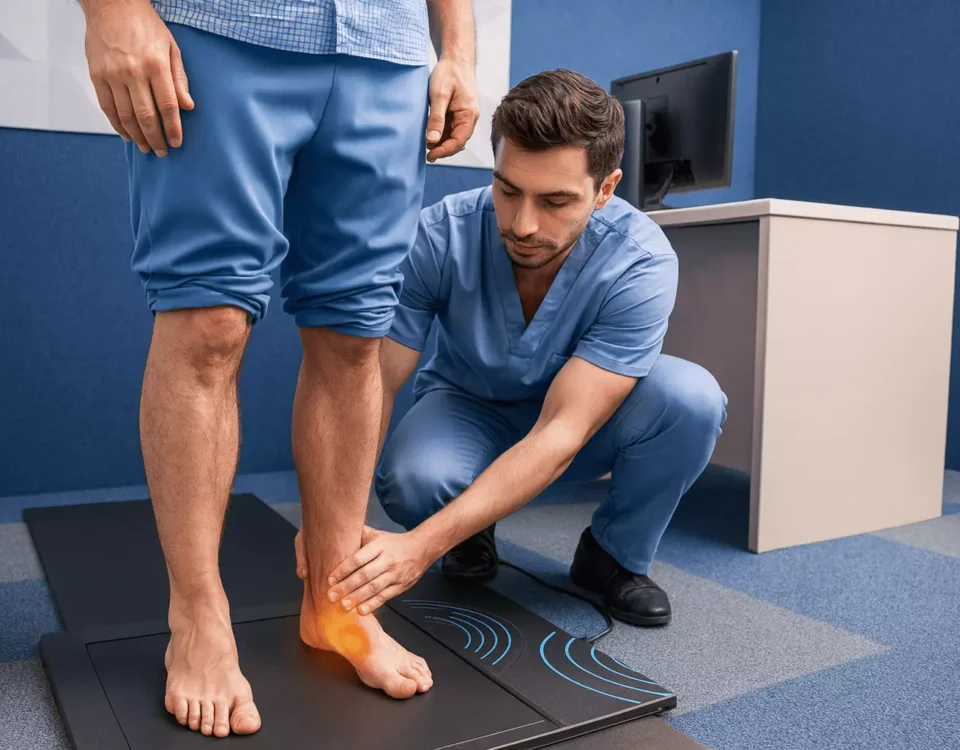
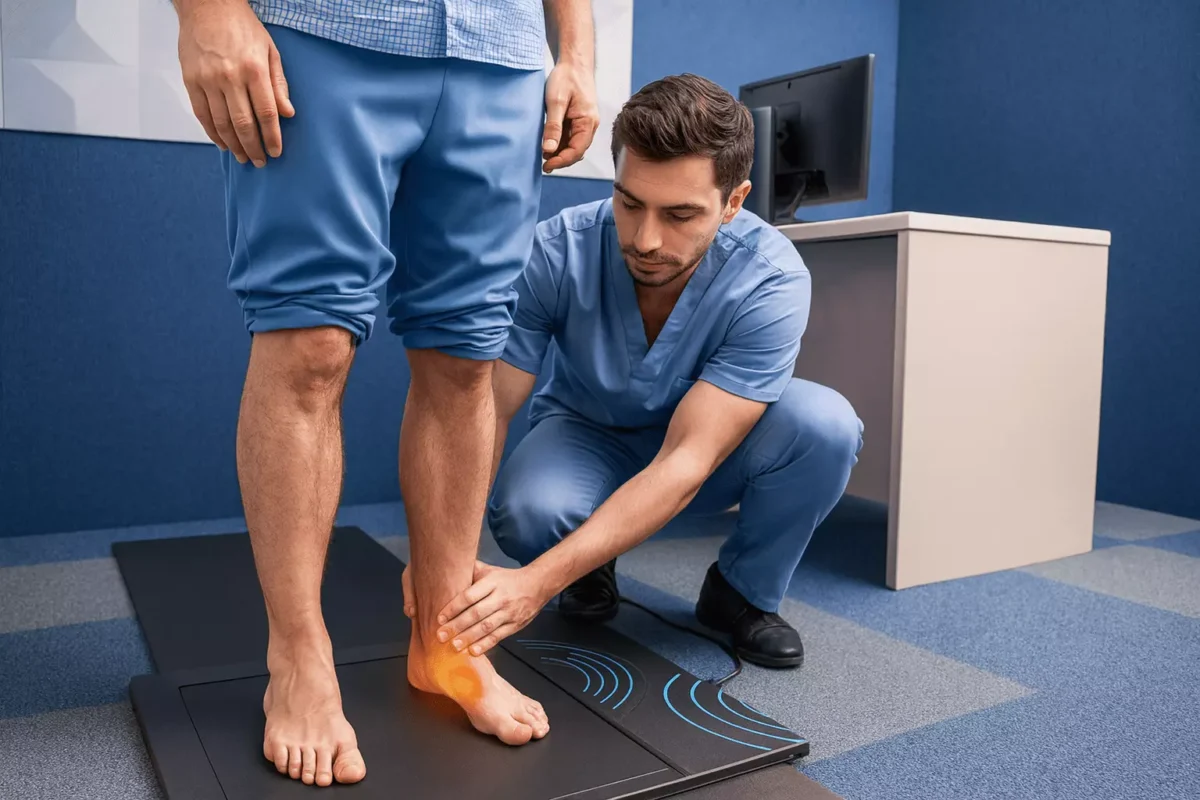
Recovery begins with a clear picture of your injury. Your chiropractor examines the affected area and identifies the source of pain. Surrounding muscles and joints often compensate for an injury, creating secondary problems as time passes. Your chiropractor evaluates posture, movement, and joint function to clarify the full injury scope before treatment begins. Range of motion testing helps pinpoint restrictions, and this information shapes a treatment plan that is specific to your body and your sport.
Tissue and Muscle Evaluation
This method helps reduce stiffness, and it can help restore normal tissue function. Soft tissue around a sports injury often tightens in response to strain, which can slow healing if left unaddressed. Your chiropractor applies controlled pressure to affected areas, so circulation improves and tension releases gradually. Different techniques suit different tissue types, and your chiropractor adjusts the approach based on your pain level and tissue response. Recovery begins with a clear picture of your injury. Your chiropractor examines the affected area and identifies the source of pain. Extremity adjustments realign joints outside the spine, so ankles, knees, and shoulders regain motion during recovery. A thorough assessment looks beyond the site of pain. Surrounding muscles and joints often compensate for an injury, creating secondary problems as time passes. Your chiropractor evaluates posture, movement, and joint function to clarify the full injury scope before treatment begins.
Treatment Options for Recovery
Several treatments target pain and restricted movement directly. This method suits chronic injuries, while spinal decompression relieves pressure on discs, so nerves and joints gain relief together. Athletes with persistent tendon pain often see improved function after a course of treatment, so this option is worth discussing with your chiropractor. Spinal decompression gently stretches the spine using a motorized table. Your chiropractor selects treatments based on the type and stage of your injury.
Exercises for Lasting Recovery
Movement plays a central role in recovery over time. Your chiropractor selects specific movements, and they adjust difficulty over time so muscles regain stability without added strain. Starting with low-impact movement helps protect healing tissue. Your chiropractor introduces exercises that match your current pain level and progresses the program as your strength returns. This gradual approach reduces the risk of re-injury, so each recovery stage builds on the last. Your chiropractor identifies which muscle groups need the most support, so the program focuses where it matters most. Mobility work runs alongside strengthening throughout recovery. Tight structures limit how well a joint moves, and restricted movement places extra load on surrounding tissue. Your chiropractor includes stretches and movement drills, so flexibility and strength develop together, not separately. Tracking progress helps your chiropractor refine the program.
Book a Chiropractor Today
Chiropractic care combines assessment, treatment, and exercise for sports injuries. Since your chiropractors and the team provide these services alongside other therapies, you receive support for pain management and wellness. Do not hesitate; you can call the office to schedule your appointment today.
- The Link Between Hormone Replacement Therapy and Improved Quality of Life
- Streamlining Your Kitchen and Bathroom Remodeling for Efficiency
- Benefits of Self-Care in Mental Health Maintenance
- Effective Home Remedies and Care Tips for Coping with Bunions
- Understanding the Benefits and Risks of Cataract Surgery