
What You Need To Know About Prostate Cancer Screening
July 17, 2026
Remedies for Varicose Veins Relief
July 18, 2026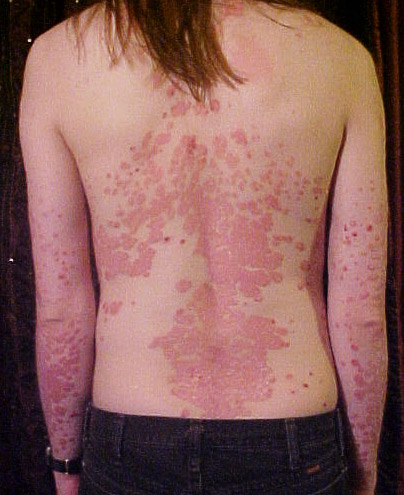
Allergies affect many people, and their signs often appear on the skin. For many individuals, an allergic reaction may first show up as redness, itching, or a rash before other symptoms become noticeable. Understanding the link between allergies and skin conditions can help you recognize what your body is responding to and when it is time to seek professional guidance.
What Are Allergies?
An allergy is the body’s reaction to a substance it treats as harmful, even when that substance is usually harmless. These substances are known as allergens. Common allergens vary in their nature; they include pollen, dust mites, pet dander, certain foods, and insect stings.
A person with an allergy may come into contact with an allergen, and the immune system responds by releasing chemicals such as histamine. This response can produce a range of symptoms, from sneezing and watery eyes to swelling and skin irritation. Reactions vary widely from one person to another. Some individuals experience mild discomfort. Others may have stronger responses that affect daily life.
Allergies can develop at any age. A person may live for years without a reaction, and then they become sensitive to a substance later in life. Genetics, environment, and repeated exposure all play a role in how allergies form, as well as how they progress.
What Skin Conditions Are Related?
The skin is a visible place where allergic reactions appear. Several skin conditions are associated with allergies, and recognizing them helps you understand what your body may be reacting to. There are a few prominent ones that people can experience, including:
- Eczema is a long-term condition marked by dry, itchy, and inflamed skin. Many people with eczema also have other allergic conditions, such as asthma or hay fever.
- Hives appear as raised, itchy welts on the skin. They often result from an allergic reaction to food, medication, or insect stings, though they can also arise from other triggers.
- Angioedema involves swelling beneath the skin, often around the eyes, lips, hands, or feet. It sometimes occurs alongside hives and may be connected to the same allergens.
These conditions can range from minor to more persistent. Identifying the pattern of symptoms and possible triggers is often the first step toward managing them effectively.
How Are They Treated?
Managing allergies and related skin conditions usually begins with identifying the cause, and allergy testing can help pinpoint the specific substances responsible for a reaction. Once triggers are known, avoiding exposure becomes a central part of any management plan. Several general approaches are used to address allergy-related skin symptoms:
- Consistent Avoidance of Triggers: Limiting contact with known allergens can reduce the frequency and severity of reactions.
- Topical Treatments: Creams and ointments may be applied to soothe irritated skin and reduce inflammation.
- Oral Medications: Antihistamines and other medications are sometimes used to ease symptoms such as itching and swelling.
- Long-term Therapies. In certain cases, treatments such as immunotherapy may be recommended to help the body build tolerance to specific allergens over time.
Treatment plans are shaped by the individual, the type of allergy, and the specific skin condition involved. A professional can help determine which approach is most suitable for a given situation.
Consult an Allergy Specialist
Allergies and skin conditions are closely connected, and their symptoms may overlap in ways that make self-diagnosis difficult. An allergy specialist can help identify the underlying cause of a reaction, distinguish between similar conditions, and outline a management plan suited to your needs. Working with a specialist gives you access to structured testing and informed guidance, helping you take a proactive approach to your skin and overall well-being.