

Exploring the Recovery Process After Liposuction
July 15, 2026
Addressing the Overlap Between Depression and Chronic Pain
July 16, 2026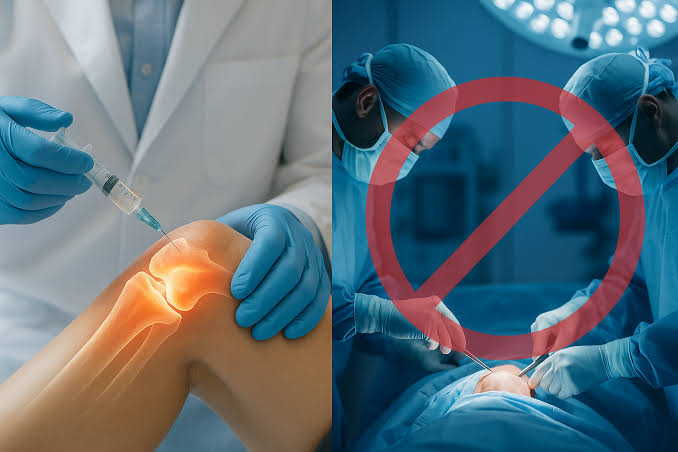
Regenerative medicine uses your body’s own resources to support recovery. It focuses on cells, growth factors, and tissue, and it draws on natural repair processes. Foot and ankle centers may include these methods alongside traditional skincare services. Here are several useful approaches so you can understand what each one does:
Using Platelet-rich Plasma
Platelet-rich plasma (PRP) comes from a small sample of your own blood. A technician spins the sample in a centrifuge, and the machine separates platelets from other components. Since platelets hold growth factors, providers inject the concentrated plasma into targeted areas, such as the ankles.
PRP appears in several foot and ankle services, and clients may ask how it fits their goals. When a provider applies PRP to the skin, they aim to support the body’s repair signals. This regenerative medicine technique is straightforward.
Podiatrists may use PRP for these purposes:
- Plantar fasciitis and heel pain relief
- Ankle ligament and tendon injuries
- Surgery recovery in the foot and ankle
Decreasing Inflammation
Inflammation is your body’s response to injury or stress. Some regenerative methods target this response, and they work at the cellular level. Since chronic inflammation slows recovery, providers monitor it during treatment planning.
Growth factors are used to regulate signals between cells. A provider reviews your history first, and then they explain what a session involves. When inflammation stays controlled, tissue conditions may stabilize over time. Proper hydration and a nutrient-rich diet can also play a key role in supporting the body’s natural ability to manage inflammation effectively.
Promoting Faster Healing
Healing depends on how well cells communicate and rebuild. Regenerative treatments supply concentrated growth factors, and these factors support that communication. Since your body directs the process, results vary from person to person.
Providers often combine these methods with other services you already know. When you schedule a consultation, staff review your skin goals in detail. That step keeps the plan realistic.
A basic session usually follows these steps:
- A short intake and skin assessment
- Sample collection or product preparation
- Application to the treatment area
- Aftercare instructions for home
Aftercare matters as much as the treatment itself. Follow the doctor’s written guidance and contact the clinic with any questions. Since each person heals differently, timelines for recovery shift.
Repairing Damaged Tissue
Damaged tissue needs both structure and support to recover. Regenerative approaches supply materials that cells use during repair, and providers apply them precisely. Since the body controls rebuilding, no two outcomes match exactly. A provider examines the treatment site before recommending an approach. When they map out a plan, they explain each expected step clearly, and this keeps you informed.
Find Regenerative Medicine Services
Regenerative medicine covers PRP, inflammation management, healing support, and tissue repair. These methods rely on your body’s own processes, and trained staff guide each step. When every plan is personalized, a consultation gives you the clearest picture. Book a consultation with a licensed provider to review your options, and ask about their training, safety protocols, and the products they use. As these services grow, you stay ready to make an informed choice.