
Innovations in Orthopedic Surgery Techniques
July 7, 2026
The Approach of an Orthopedic Surgeon in Treating ACL Tears
July 8, 2026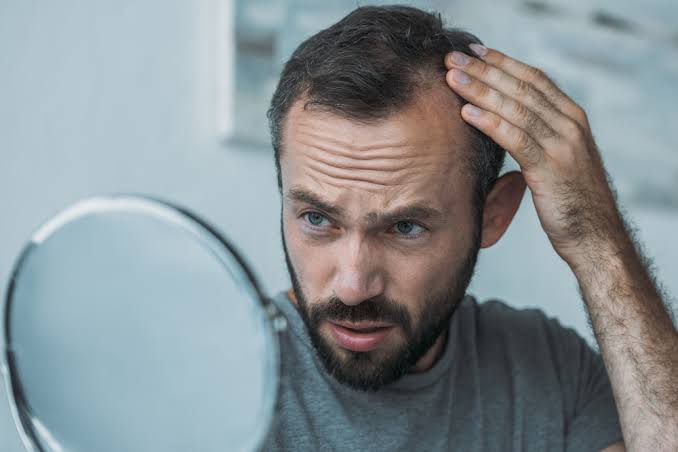
Hair loss affects men and women, and platelet-rich plasma, or PRP, therapy is one option in hair restoration today. Platelet-rich plasma therapy uses a serum of blood platelets from your own body to stimulate hair regrowth. Here is more information about PRP therapy and how it is used in hair restoration therapy:
Introducing PRP Therapy
PRP therapy is a medical procedure that uses your body’s own blood to stimulate tissue repair and regeneration. Doctors have used platelet-rich plasma in the past in other applications, such as orthopedics and wound healing, and its applications have since expanded into hair restoration. The treatment relies on platelets, which are tiny blood cells that release growth factors to promote healing. The risk of adverse reactions to the therapy is low.
Exploring Applications for Hair Loss
PRP therapy addresses several types of hair loss, and it works particularly well for androgenetic alopecia, which is a very common form of genetic hair thinning in men. It may also benefit those experiencing:
- Alopecia areata, an autoimmune condition causing patchy hair loss
- Telogen effluvium, a temporary shedding triggered by stress or illness
- Early-stage hair thinning before significant follicle damage has occurred
PRP is most effective when hair follicles are still present but dormant. The growth factors in PRP can reactivate these follicles and encourage new growth.
Understanding the Therapy Process
A platelet-rich plasma therapy session begins with a standard blood draw, and the blood is then placed in a centrifuge to separate the platelet-rich plasma from other blood components. This concentrated plasma contains a high volume of growth factors. The provider then injects the PRP directly into areas of the scalp where thinning is occurring.
Here is more information about the timeline for PRP therapy:
- Initial series: Most patients require an initial series of sessions a few weeks apart.
- Maintenance phase: Follow-up treatments are recommended to sustain active hair growth.
Reviewing the Potential Results
PRP therapy delivers gradual results. Patients may begin noticing changes within a few weeks after starting treatment. Because the therapy is a gradual process, full results may take up to a year to become visible. The growth factors in PRP stimulate dormant follicles, so new hair strands gradually emerge over time.
Results vary based on the severity of hair loss, the patient’s overall health, and consistency with follow-up treatments. Studies have shown that PRP can increase hair density and thickness, especially in patients with androgenetic alopecia. Platelet-rich plasma is most effective as part of a broader hair restoration plan, and it is sometimes combined with other treatments like minoxidil or low-level laser therapy to enhance outcomes.
Learn More About Hair Restoration
PRP therapy offers a natural, minimally invasive approach to hair restoration, and it uses the body’s own growth factors to reactivate dormant follicles. Results are gradual but can include improved hair density and thickness over time. PRP can also help reduce hair shedding in certain cases. If you want to learn more about PRP for hair loss, consult a hair restoration provider near you.
- The Link Between Hormone Replacement Therapy and Improved Quality of Life
- Streamlining Your Kitchen and Bathroom Remodeling for Efficiency
- Benefits of Self-Care in Mental Health Maintenance
- Effective Home Remedies and Care Tips for Coping with Bunions
- Understanding the Benefits and Risks of Cataract Surgery