
What To Look for When Choosing an Eye Center
August 14, 2026
Choosing the Right Orthopedic Surgeon for Your Needs
August 14, 2026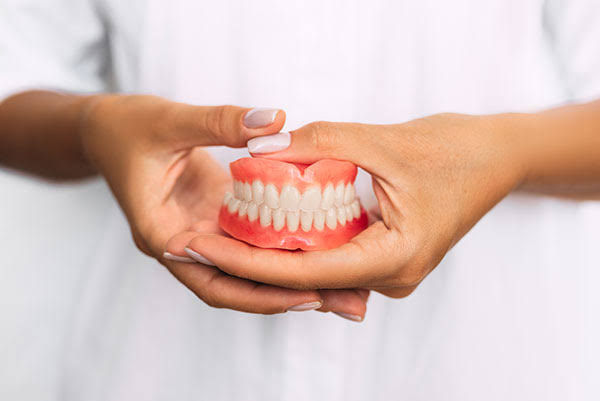
Tooth loss affects many adults for a range of reasons. When a person loses most or all of their teeth, everyday activities such as eating and speaking can become difficult. Full dentures offer one option for people in this situation, and modern versions are designed to fit comfortably while restoring the appearance of a natural smile.
What Are Full Dentures?
Full dentures are removable dental appliances that replace an entire arch of missing teeth. A person may need an upper set, a lower set, or both. Each denture consists of artificial teeth attached to a base, which rests directly on the gums. The upper denture covers the roof of the mouth. The lower denture is shaped like a horseshoe to leave room for the tongue; it rests on the gum ridge. Some people use dental adhesives to add stability. Full dentures differ from partial dentures. Partials replace only a few missing teeth, and they may attach to remaining natural teeth. Full appliances are used when no natural teeth remain in an arch.
Who Does It Benefit?
Full dentures may suit adults who have lost all of their natural teeth, whether it be in one or both arches. This includes people affected by advanced gum disease, extensive tooth decay, or trauma. Older adults who have gradually lost teeth over the years can also make up a portion of denture wearers, but tooth loss is not limited to any single age group.
People who find missing teeth affect their ability to chew a varied diet may look into this option. Others are drawn to the way a full set of replacement teeth supports the muscles of the face, since the absence of teeth can cause the cheeks to appear sunken over time. Clear speech also depends on the presence of teeth, so some individuals may turn to dentures to help with pronunciation. A dental professional can help determine whether a person’s gum and bone condition supports this choice.
What Should You Expect?
Getting full dentures may take place over several appointments. The process can begin with an examination and a set of impressions; these capture the exact shape of the gums and mouth. These impressions guide the creation of a custom appliance, which is built to match each individual. During fabrication, measurements are taken to record how the upper and lower jaws align and to select a tooth shape and shade. Once the completed dentures are delivered, minor refinements to the fit are common. New wearers often go through an adjustment period; speaking and eating will feel unfamiliar at first. Daily cleaning and regular checkups help keep the appliance in good condition.
Consult a Dental Professional
Full dentures represent one of several ways to address extensive tooth loss, and the right approach depends on each person’s mouth and goals. A dentist can assess your oral health, explain the available choices, and describe how a treatment plan would work for your situation. Speaking with a dental professional gives you accurate, personalized guidance, helping you move forward with clear expectations.
- The Link Between Hormone Replacement Therapy and Improved Quality of Life
- Streamlining Your Kitchen and Bathroom Remodeling for Efficiency
- Benefits of Self-Care in Mental Health Maintenance
- Effective Home Remedies and Care Tips for Coping with Bunions
- Understanding the Benefits and Risks of Cataract Surgery