
Microneedling in Combination With Other Treatments
August 14, 2026
Understanding the Benefits and Care of Full Dentures
August 14, 2026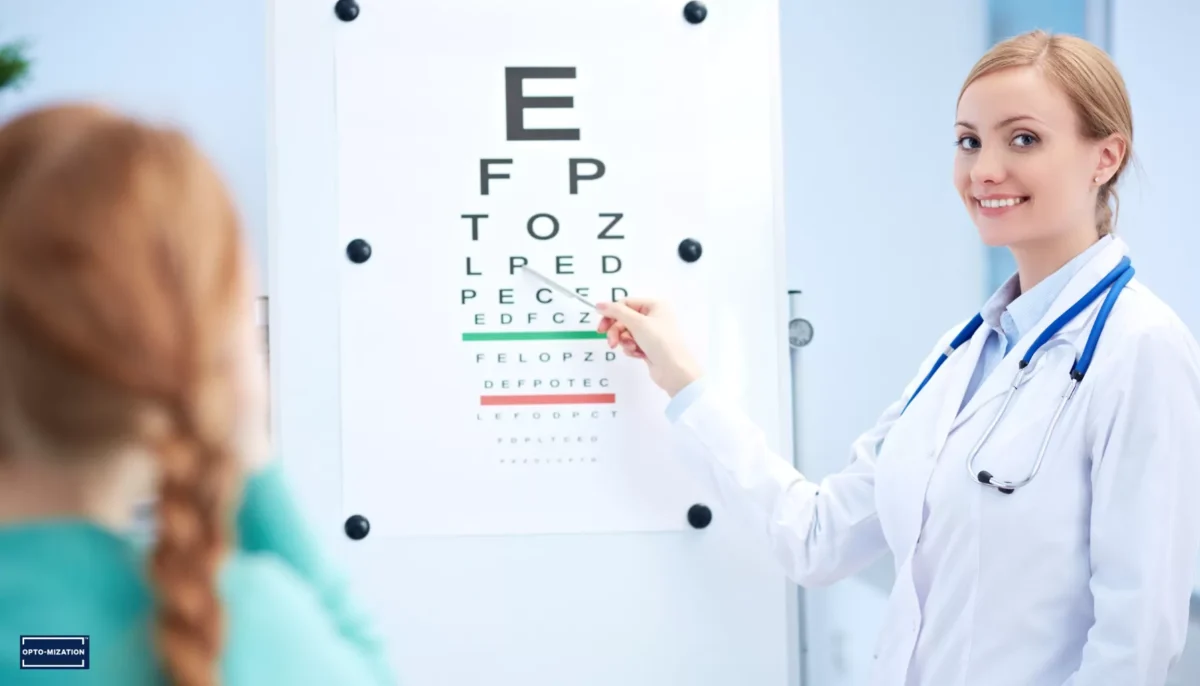
Your eyes are used every day, and small changes in how you see can point to shifts in your overall health. An eye center brings together the tools, testing, and clinical knowledge needed to check your vision and the health of your eyes in one place. Whether you have noticed blurry sight, discomfort, or simply want a routine review, knowing what these facilities offer can help you approach care with clarity.
What Conditions Affect the Eyes?
Eyes may develop a wide range of conditions, some tied to age and others linked to broader health patterns. Recognizing these conditions early gives you more treatment options to choose from; you can respond better to care when addressed before symptoms become pronounced. Some common conditions include:
- Glaucoma: A group of conditions that affect the optic nerve, often connected to pressure inside the eye.
- Cataracts: A clouding of the eye’s natural lens that tends to develop gradually and may affect clarity of sight.
- Macula Degeneration: A condition affecting the central part of the retina, which handles sharp, detailed vision.
- Uveitis: Inflammation inside the eye that may bring discomfort or changes in vision.
- Floaters: Small shapes that drift across your field of view, often more visible against bright backgrounds.
Changes in the eye’s blood vessels can also appear in people managing diabetes.
What Should You Expect?
A visit to an eye center may follow a typical guideline to address your eye health. Your provider usually begins by asking about your vision, and you can discuss any symptoms you have noticed. They may inquire about other topics, such as your medical history, current medications, and family history. This conversation shapes the rest of the visit.
A set of measurements can then be used to examine how well your eyes perform. Your provider will assess visual sharpness to gauge clarity at set distances, along with eye pressure to evaluate the fluid balance inside the eye. They can also check eye movement to observe how your eyes track and coordinate; your focusing ability determines how well your eyes adjust between near and far distances.
Your provider may apply drops that widen your pupils. Dilation opens the view to the retina, optic nerve, and blood vessels at the back of the eye; this can reveal details that a standard look would miss. If you wear glasses or contact lenses, your provider checks whether your current prescription still gives you the clearest sight. For contacts, they also review the shape of your eye and the fit of the lens to support comfort.
What Services Do They Provide?
Eye centers offer a mix of routine, preventive, and specialized care. The exact list varies, but many provide a few common services. Comprehensive eye exams help assess the health and vision capabilities of your eyes, with additional care possibly including:
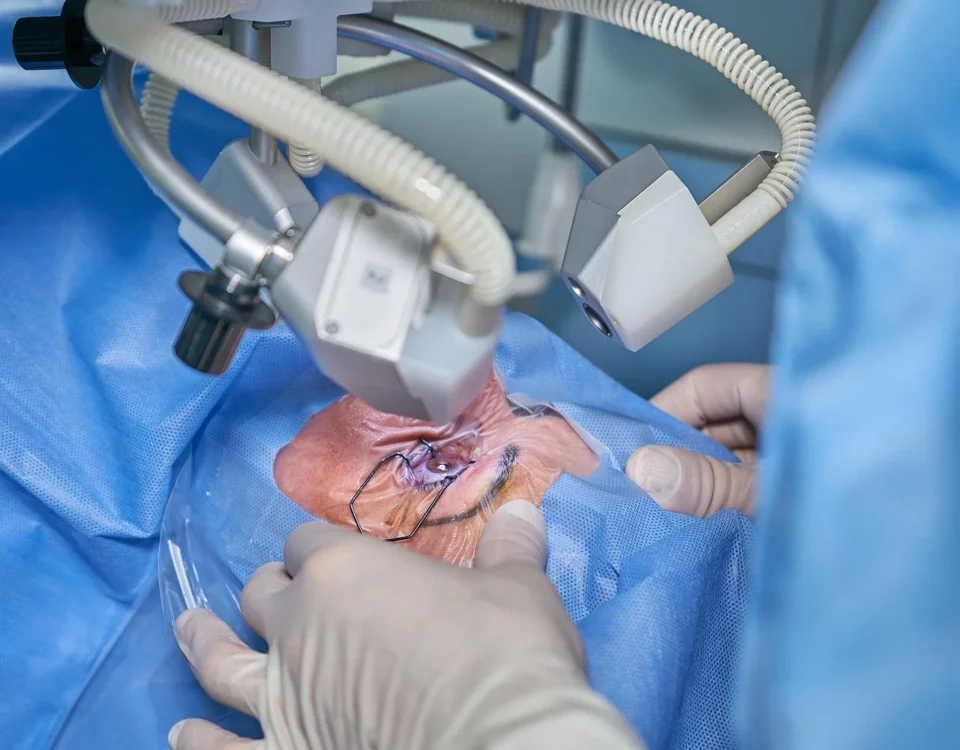
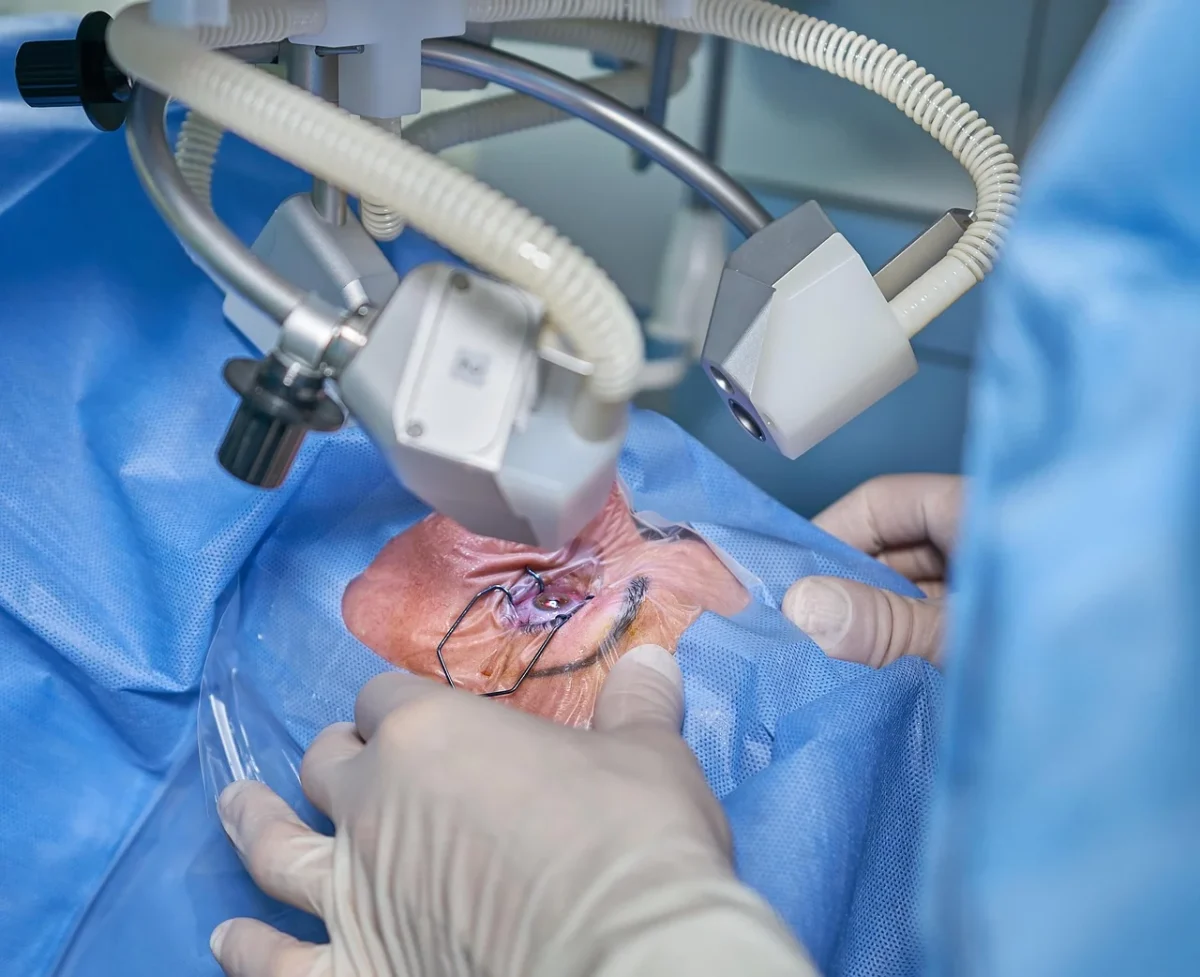
- Cataract Surgery: A procedure to address clouding of the lens and restore clearer sight.
- Contact Lens Fittings: Personalized measurements and lens selection for a comfortable, secure fit.
- Glasses: Prescription eyewear tailored to your vision needs.
- Eye Care for Diabetic Patients: Ongoing monitoring of the eye’s blood vessels for people managing diabetes.
Having these services under one roof allows for continuity, so your provider can track changes over time and adjust care as your needs shift.
Choose an Eye Center
Look for a provider that offers a broad range of services, from routine exams to specialized treatment, so you may address most needs in one setting. When the same team follows your history, they can spot subtle changes and respond with a full understanding of your background. A comprehensive eye exam is a good starting point, even if your eyes feel fine.
- The Link Between Hormone Replacement Therapy and Improved Quality of Life
- Streamlining Your Kitchen and Bathroom Remodeling for Efficiency
- Benefits of Self-Care in Mental Health Maintenance
- Effective Home Remedies and Care Tips for Coping with Bunions
- Understanding the Benefits and Risks of Cataract Surgery